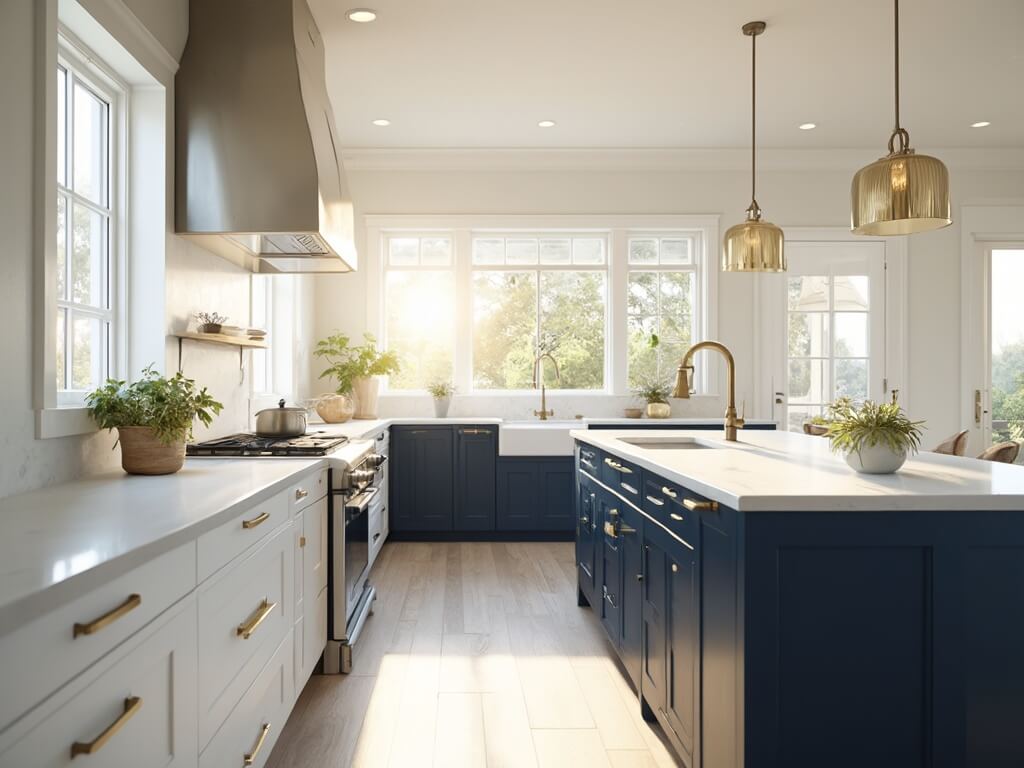
Wabi Sabi Japandi Living Room: Creating Your Serene Sanctuary
Picture walking into a living room that whispers calm, where every object tells a story of intentional beauty and natural imperfection. Wabi Sabi Japandi design isn’t just a style—it’s a philosophy of living that transforms your space into a peaceful retreat.
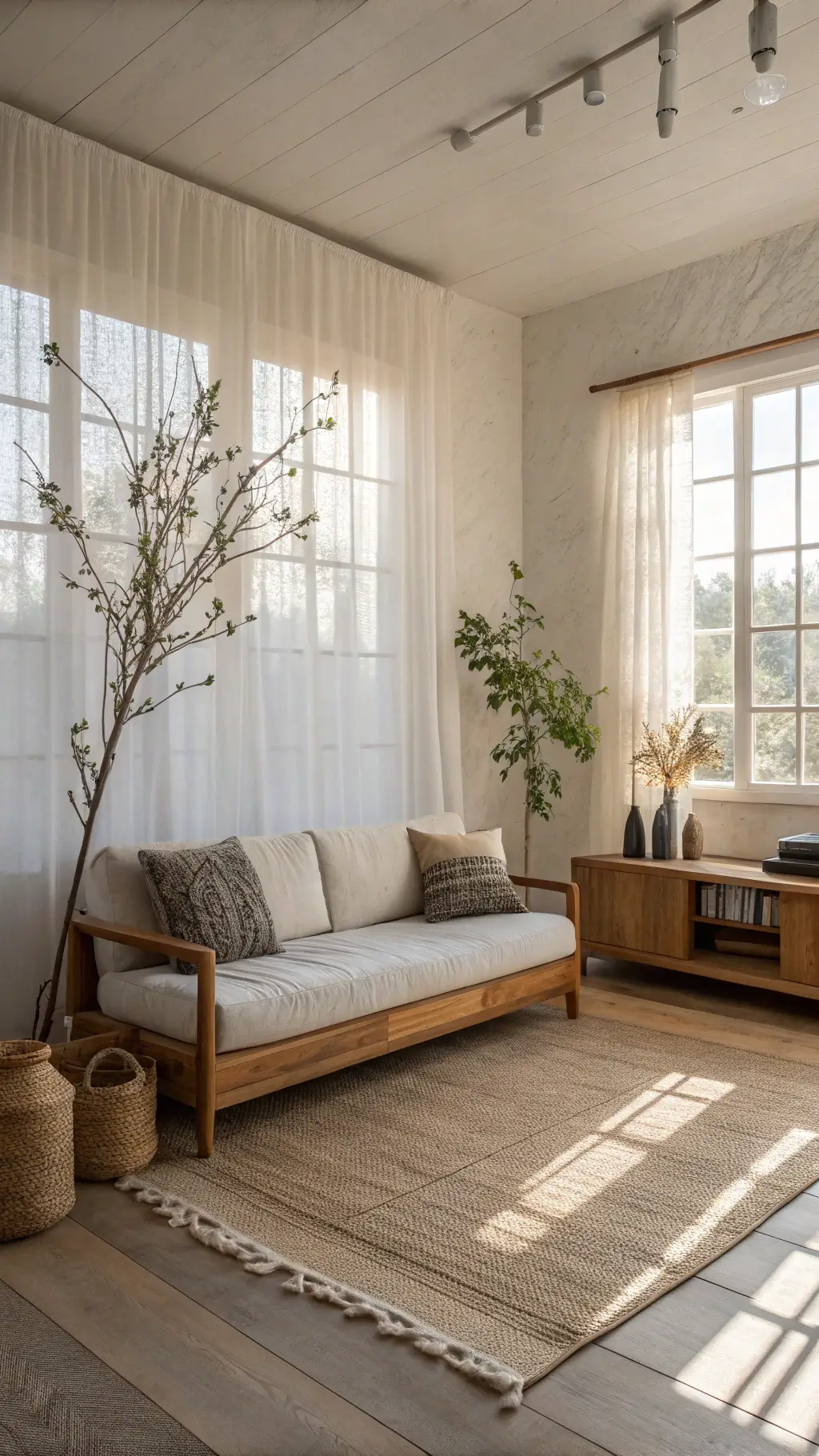 sofa, handwoven jute rug, earth-toned ceramic vessels on a wooden console, and a charcoal wall with dried eucalyptus branch.”” style=”max-width: 100%; height: auto;”>
What Makes Wabi Sabi Japandi So Special?
This design approach is more than just decorating. It’s about:
- Celebrating imperfection
- Embracing natural materials
- Creating space that breathes
- Connecting with your environment
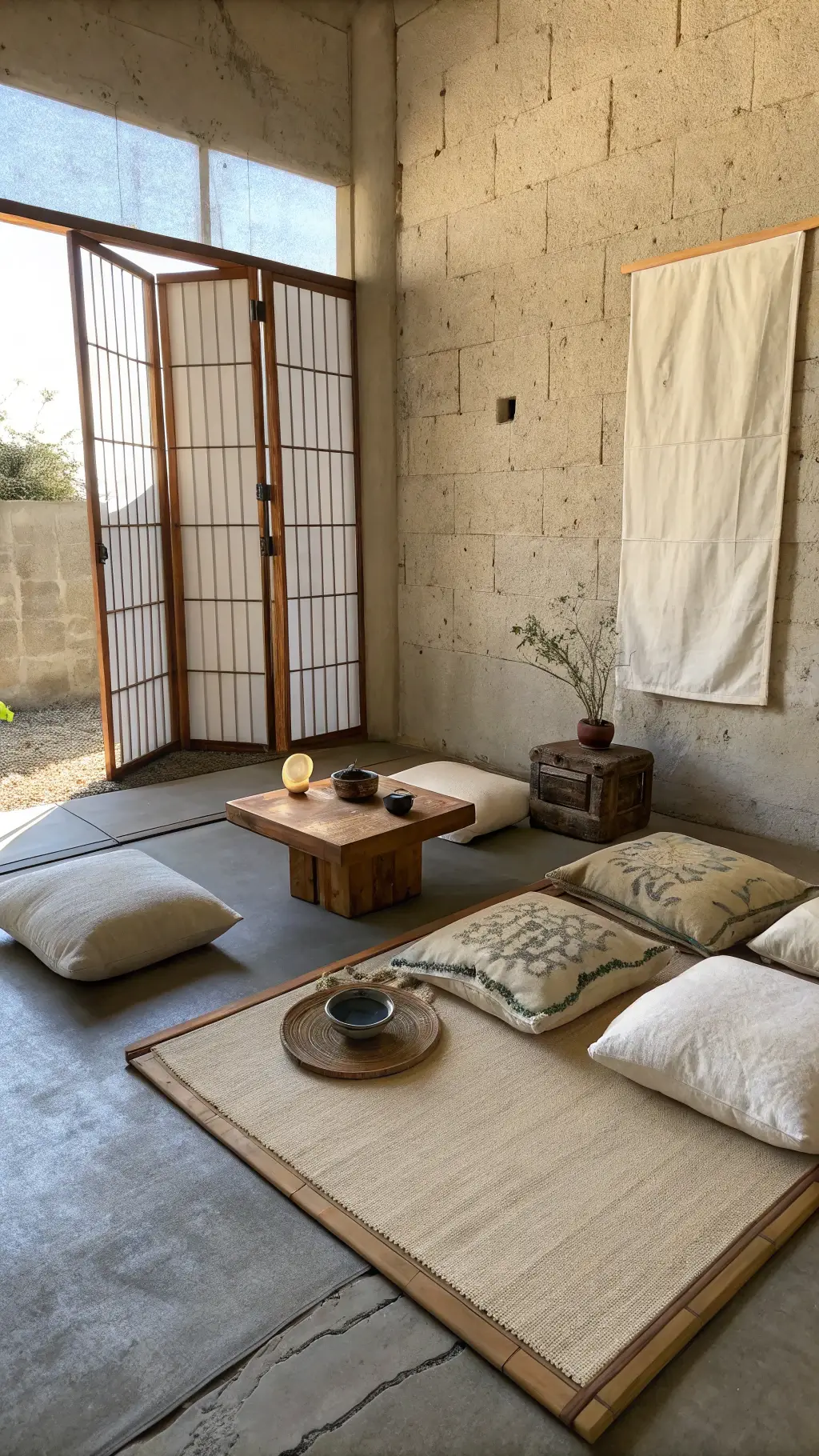
The Core Principles
Wabi Sabi Elements:
- Accepts natural wear and aging
- Finds beauty in simplicity
- Honors handmade, imperfect objects
- Uses earthy, muted color palettes
Japandi Characteristics:
- Minimalist functionality
- Clean lines
- Neutral color schemes
- Blends Japanese and Scandinavian design philosophies
Creating Your Perfect Space: Step-by-Step Guide
1. Choose Your Foundation
Furniture Selection:
- Low-profile wooden furniture
- Minimal, clean-lined pieces
- Natural wood tones
- Comfortable, functional designs
Color Palette Essentials:
- Neutral browns
- Soft grays
- Muted greens
- Warm beiges
- Charcoal accents
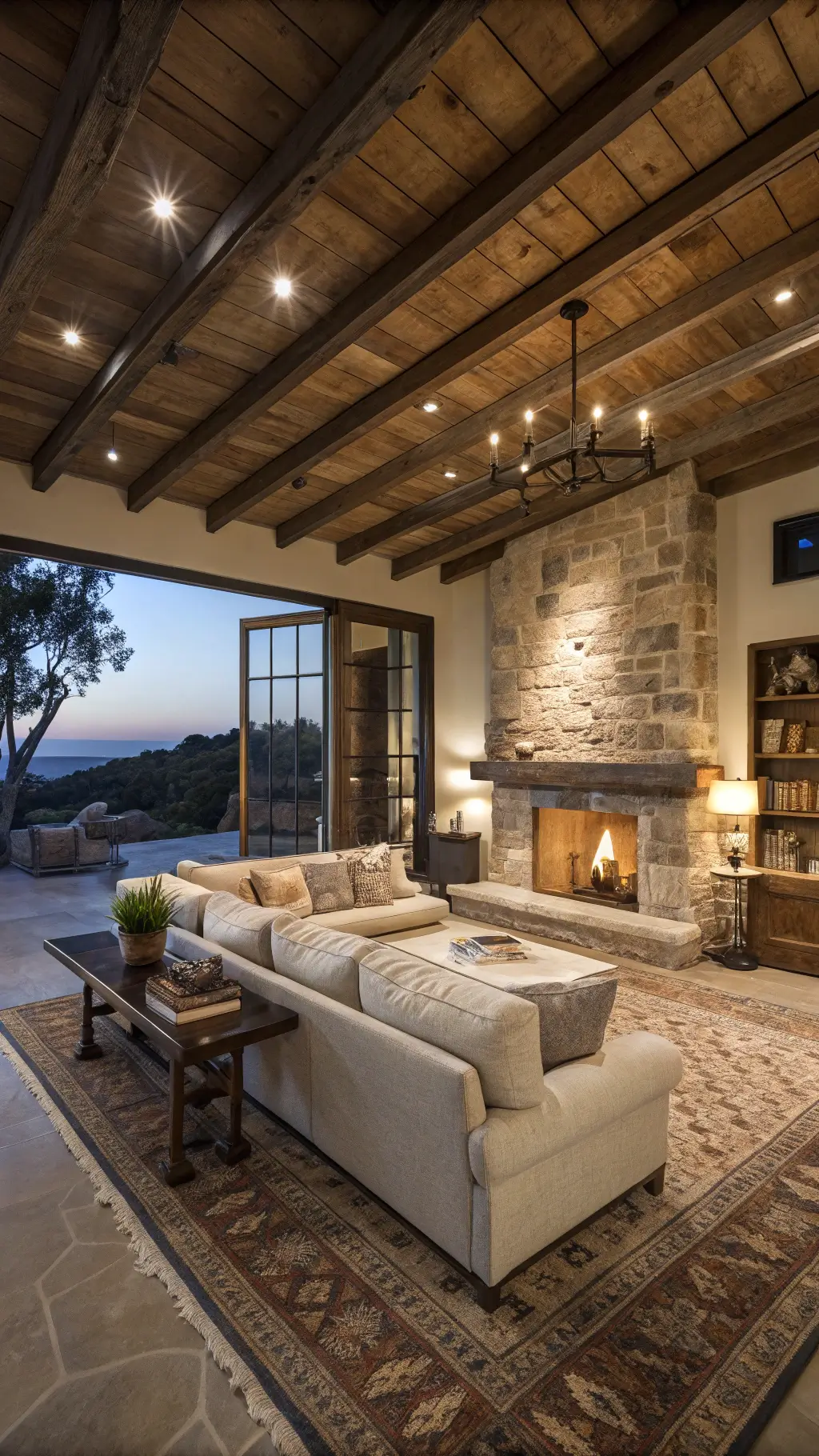
 lamp and weathered oak bookshelf under afternoon light.”” style=”max-width: 100%; height: auto;”>
2. Texture is Everything
Key Textural Elements:
- Linen throws
- Wool cushions
- Handwoven rugs
- Ceramic vases
- Natural wood grain
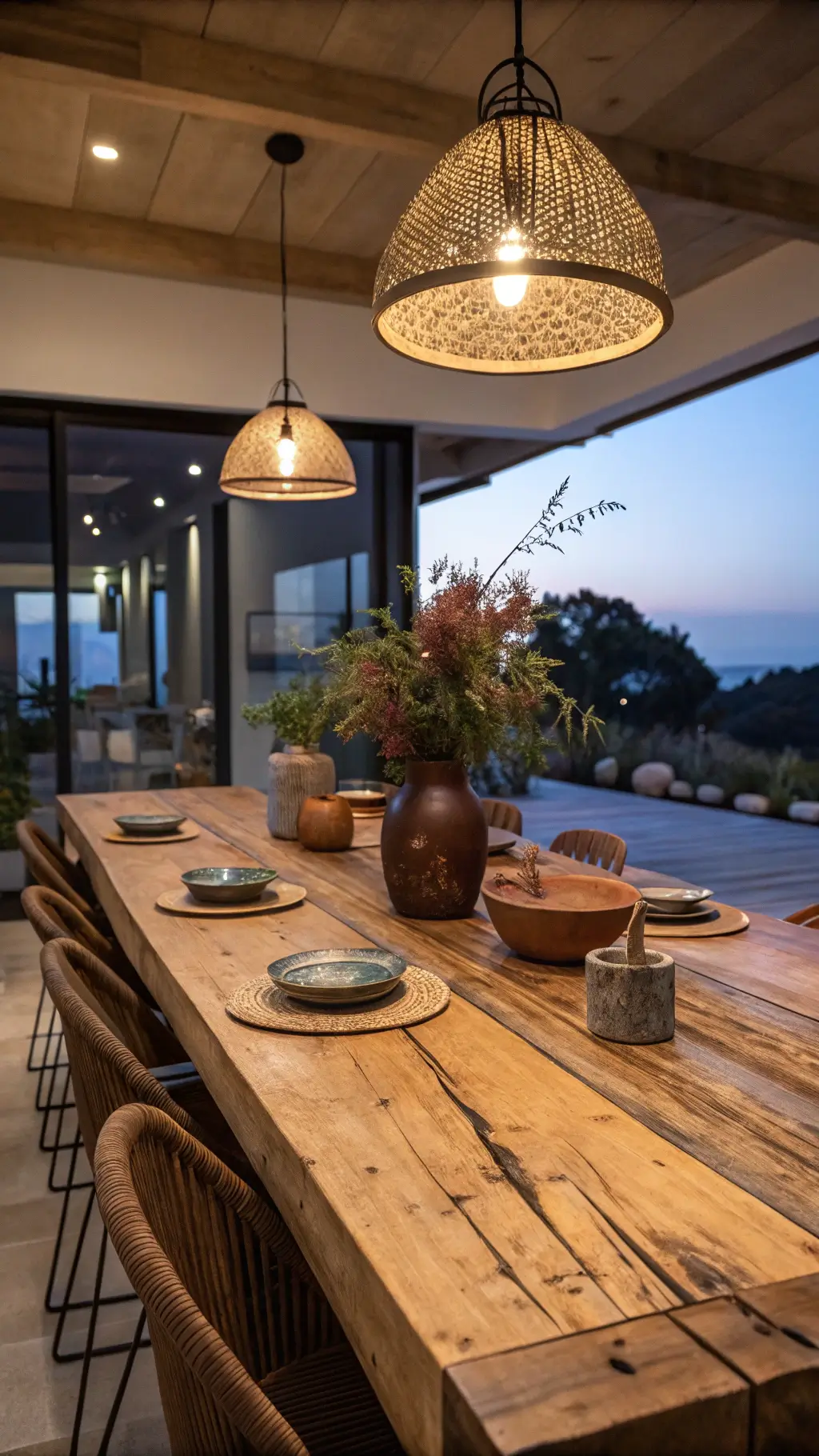
3. Styling Techniques
Styling Secrets:
- Embrace negative space
- Create asymmetrical arrangements
- Use odd-numbered groupings
- Layer textures subtly
- Allow each piece to breathe
4. Lighting Matters
Lighting Recommendations:
- Soft, diffused natural light
- Warm ambient lamps
- Paper or rice paper shades
- Indirect lighting
- Avoid harsh, direct illumination
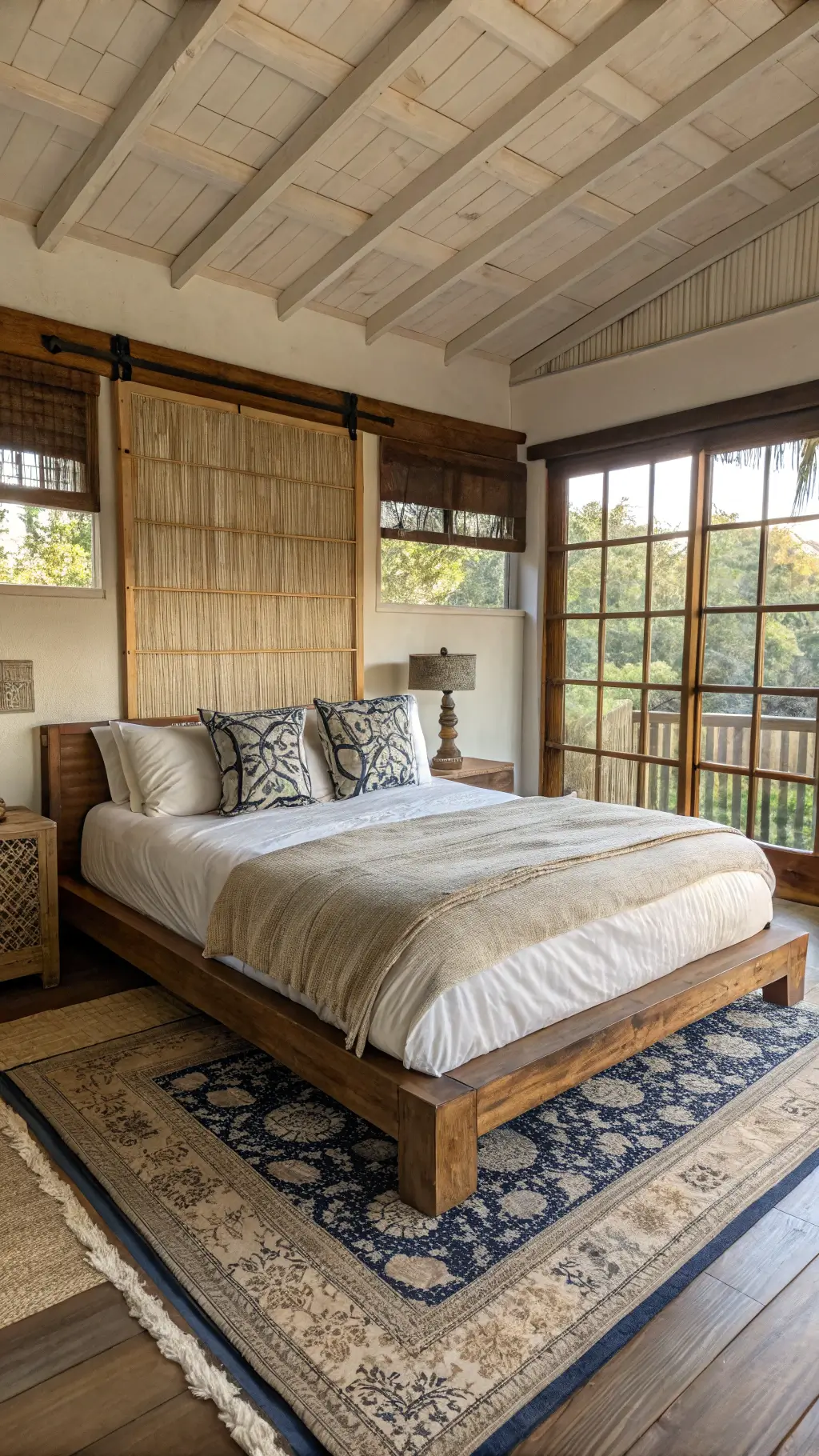
Pro Tips for Authentic Design
Avoid These Common Mistakes:
- Overcrowding spaces
- Using too many colors
- Selecting overly perfect, mass-produced items
- Ignoring natural material qualities
Do Instead:
- Select pieces with character
- Appreciate small imperfections
- Focus on quality over quantity
- Let natural materials shine
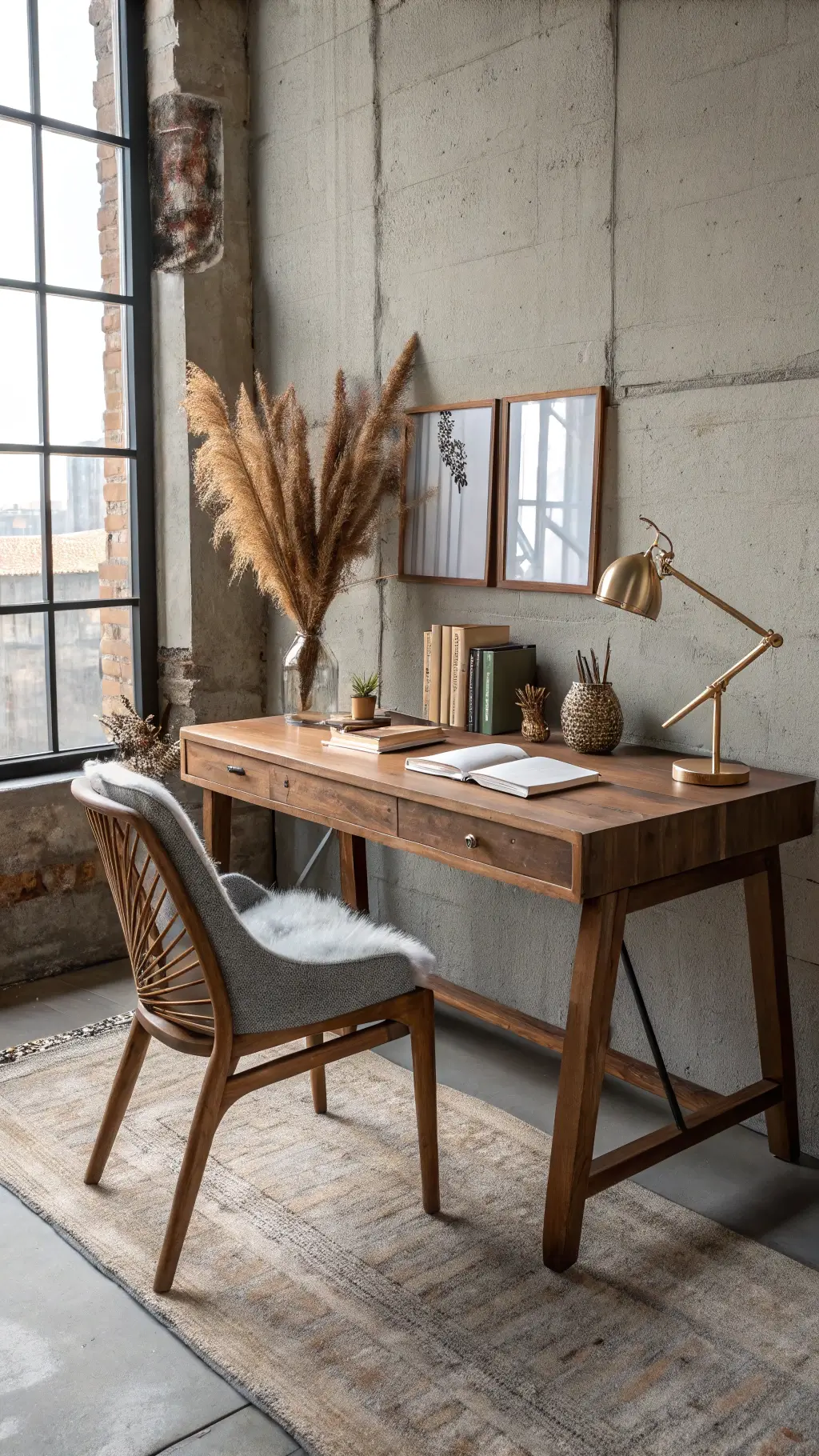
Budget-Friendly Implementation
Budget Tiers:
- Affordable: Thrift store finds, upcycled pieces
- Mid-Range: Carefully selected artisan items
- High-End: Custom, handcrafted furniture
Maintenance and Evolution
Your Wabi Sabi Japandi space isn’t static. It:
- Grows with you
- Changes with seasons
- Tells your personal story
- Adapts to life’s natural progression
Final Thoughts
Wabi Sabi Japandi isn’t just a design trend. It’s a mindful approach to creating living spaces that reflect inner peace, appreciation for nature, and the beauty of imperfection.
Remember: Your space should feel like a deep breath—calm, intentional, and authentically you.
Keywords: Wabi Sabi, Japandi, minimalist design, organic interiors, natural home decor