Japandi Style: The Ultimate Guide to Scandinavian-Japanese Interior Design
I stood in a room where the furniture was low and the wood was light and the objects were few and the space felt like a place where two cultures had agreed to meet in the middle and had decided that the middle was a good place to be. Japandi interiors work when the simplicity is doing the bridging.
What Exactly is Japandi?
Japandi isn’t just a design trend. It’s a philosophy of living that strips away the unnecessary and celebrates intentional beauty.
Core Principles:
- Minimalism that breathes
- Functionality with soul
- Harmony between simplicity and warmth
- Celebration of natural materials
- Intentional negative space
The Design DNA: Where Scandinavia Meets Japan
Color Palette: Calm Meets Depth
Key Colors:
- Soft whites
- Warm neutrals
- Muted earth tones
- Subtle grays
- Gentle wood tones
Materials: Authentic and Tactile
Signature Materials:
- Light oak
- Walnut
- Bamboo
- Linen
- Stone
- Wool
- Handcrafted ceramics
Furniture: Form Meets Function
Japandi Furniture Characteristics:
- Low-profile designs
- Clean lines
- Ergonomic shapes
- Minimal ornamentation
- Multi-functional pieces
Room-by-Room Japandi Transformation
Living Room
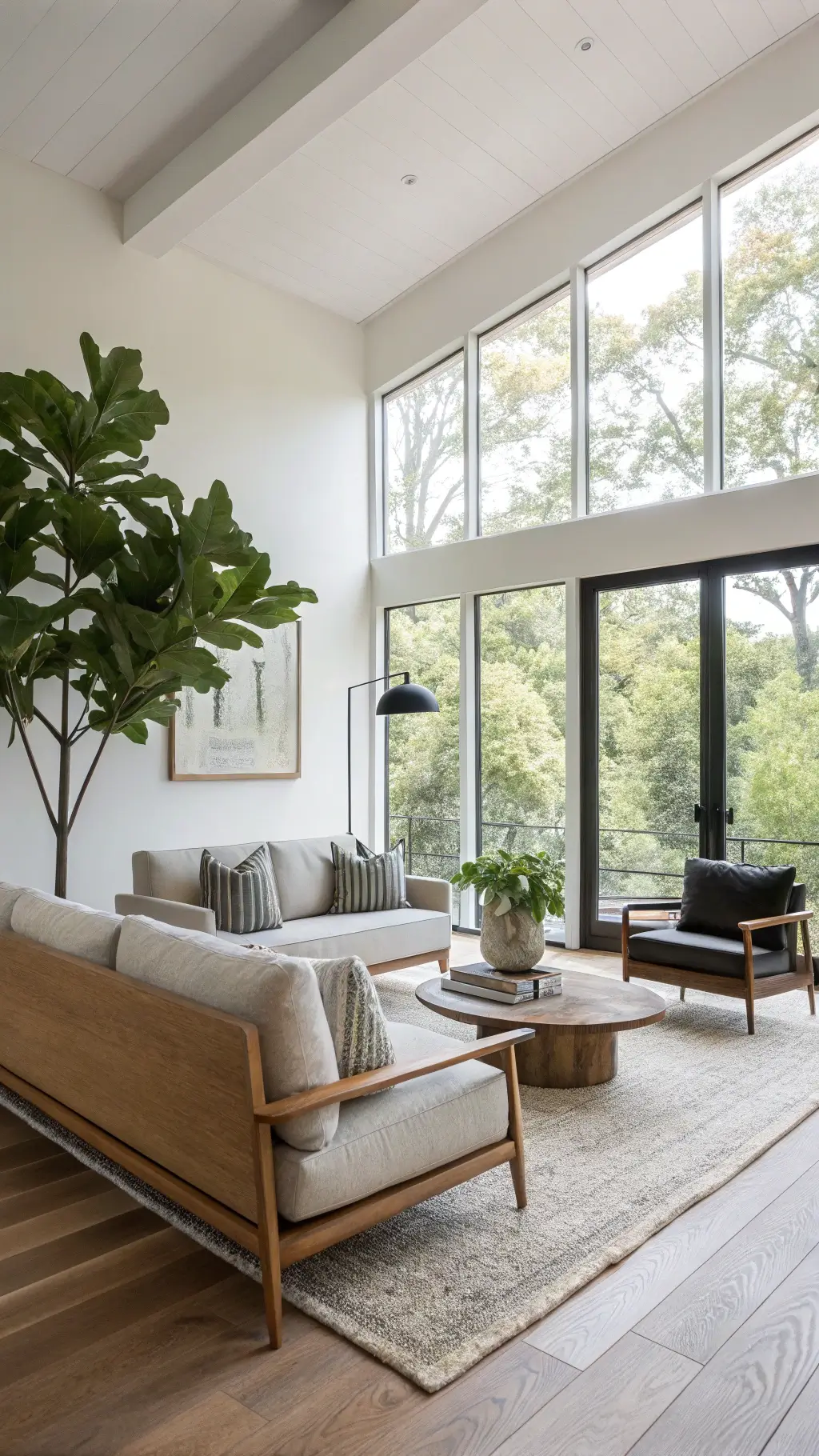
- Neutral walls
- Streamlined furniture
- Soft textural throws
- Minimal artwork
- One statement plant
Bedroom
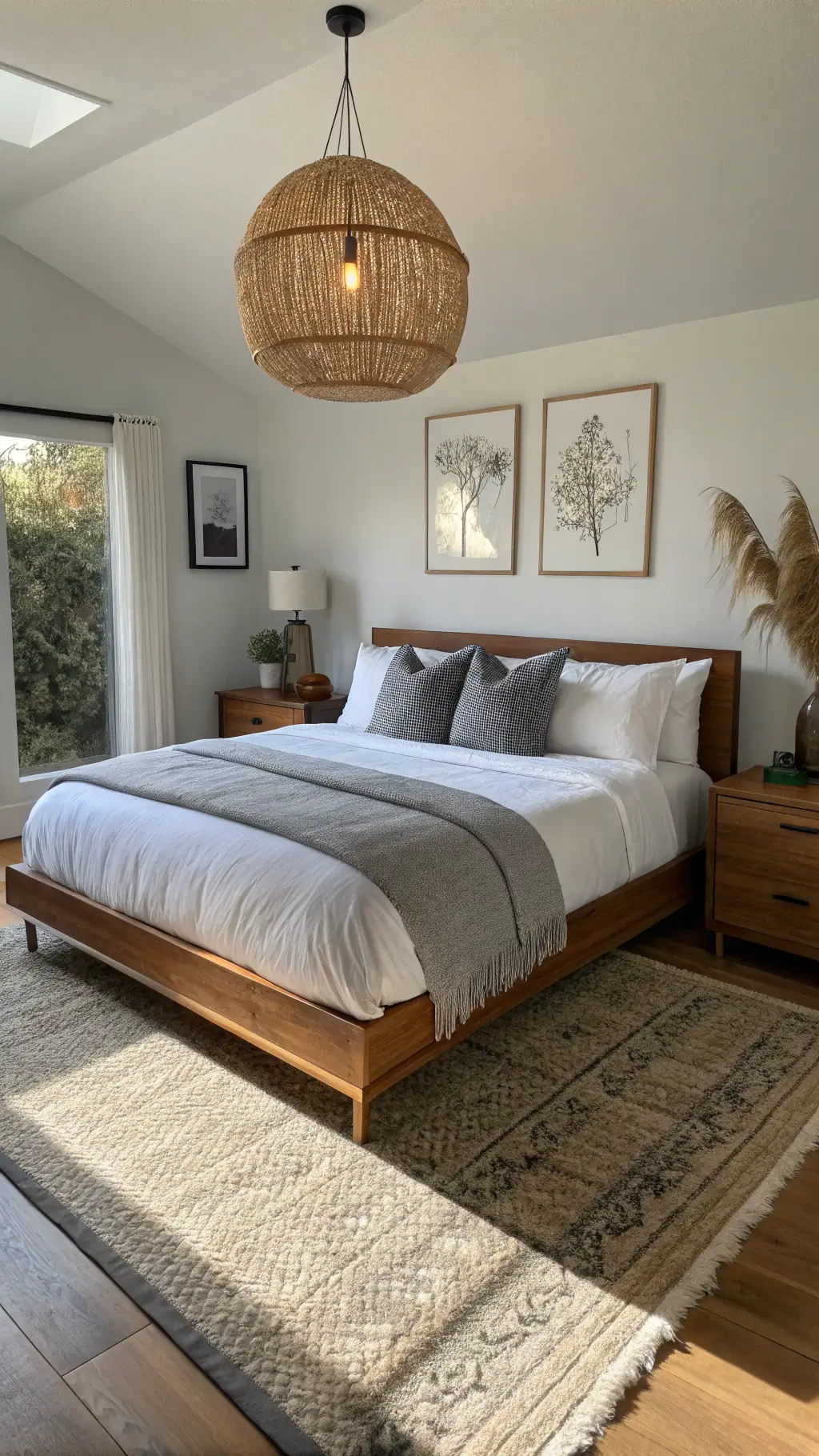
- Platform bed
- Muted bedding
- Uncluttered surfaces
- Soft lighting
- Natural fiber rugs
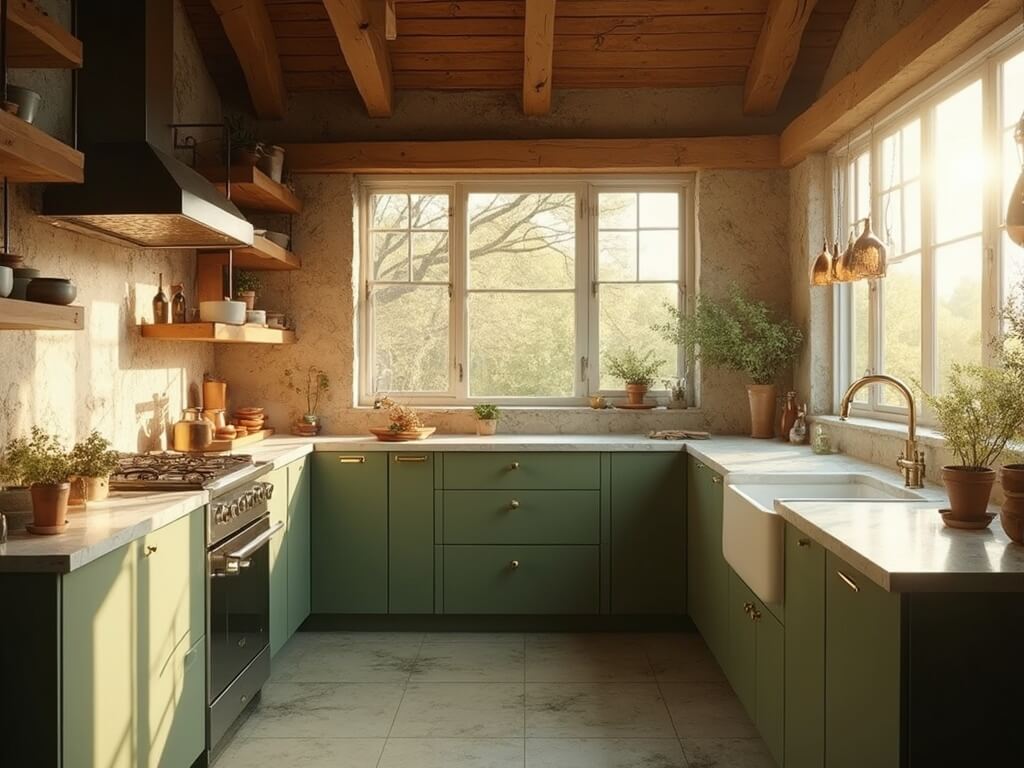
Kitchen
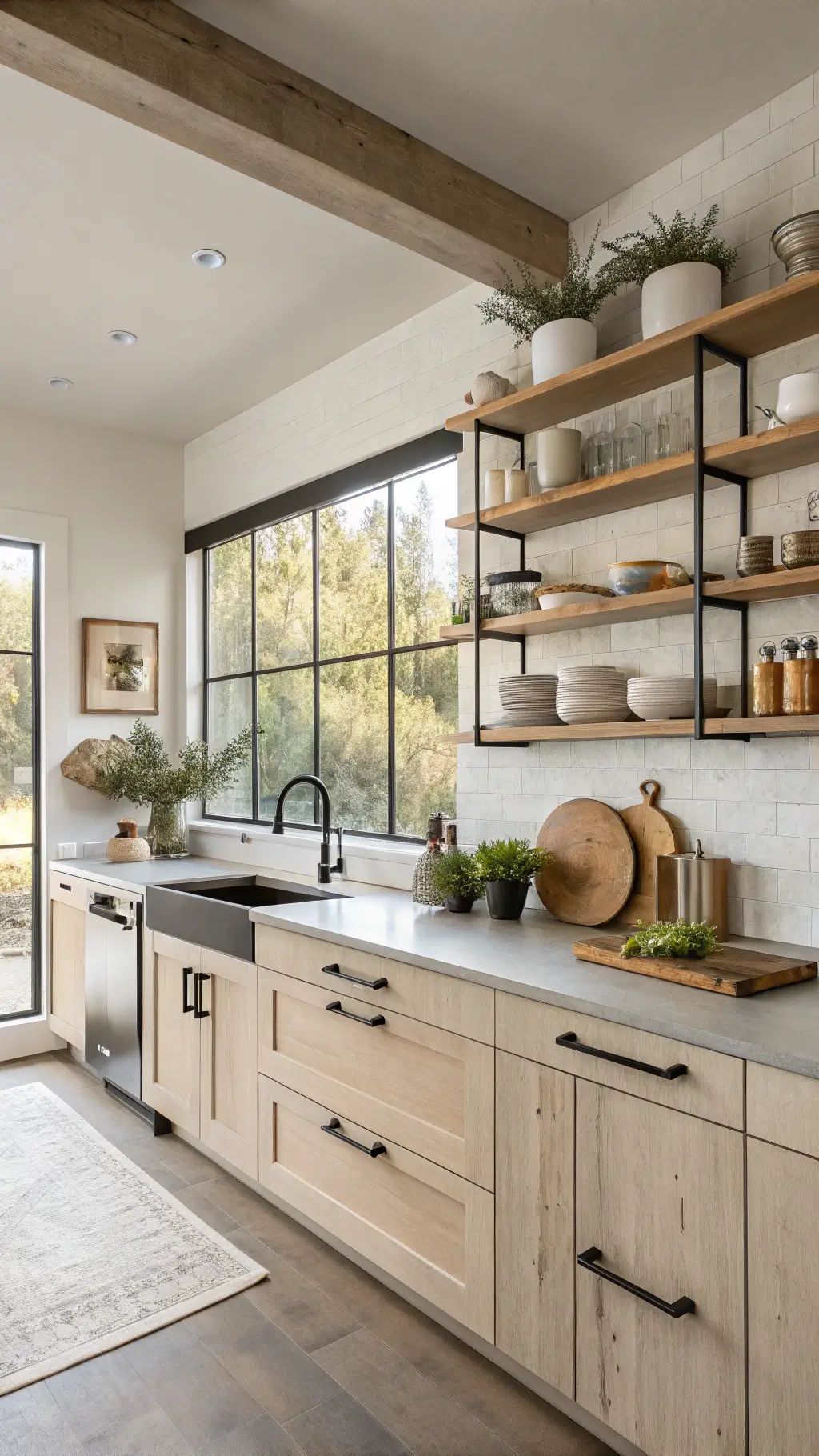
- Open shelving
- Wooden utensils
- Handmade ceramics
- Minimal decor
- Neutral color scheme
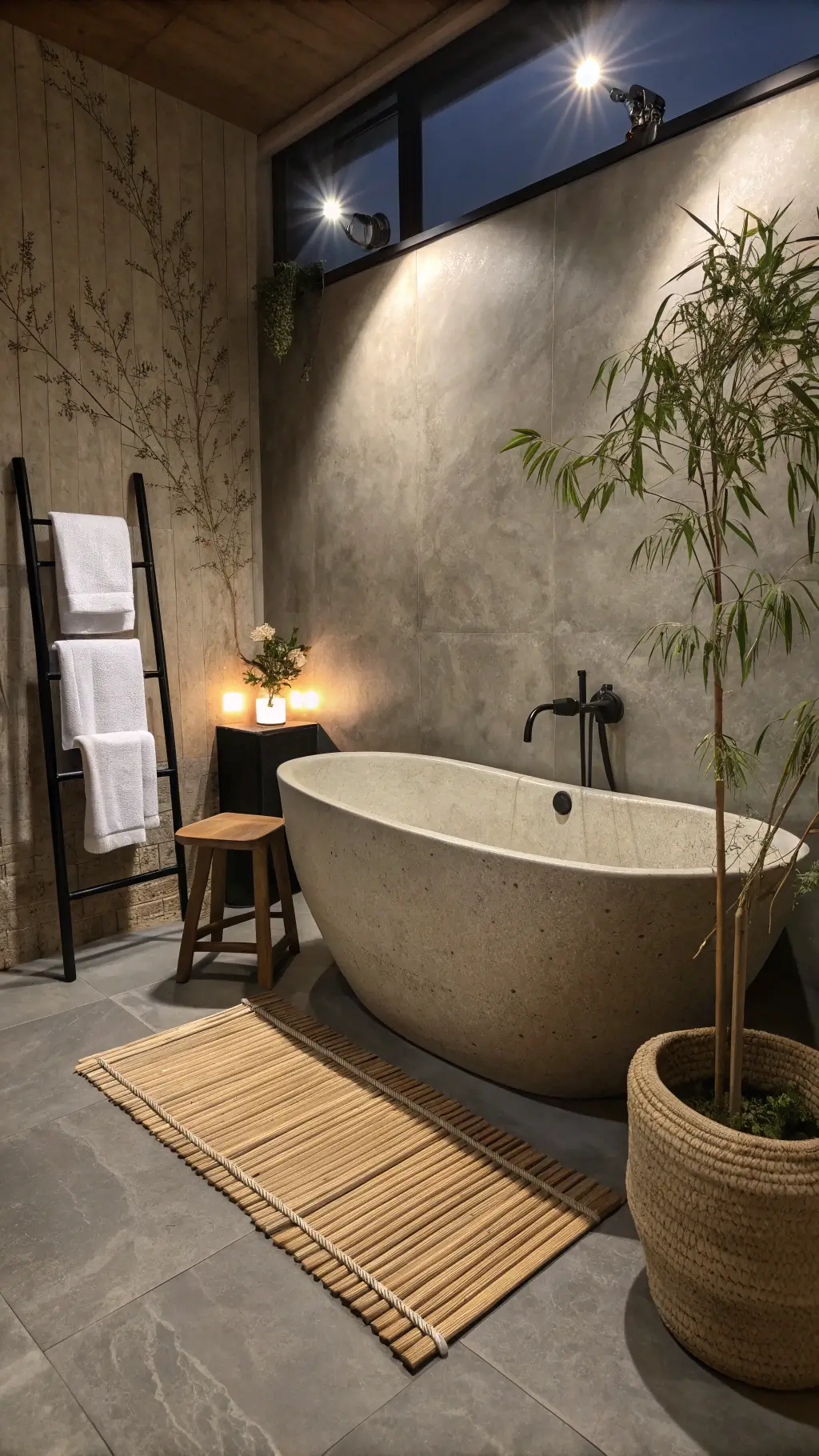
Pro Styling Tips
Expert Secrets:
- Layer textures, not clutter
- Embrace negative space
- Choose quality over quantity
- Mix light and dark wood tones
- Prioritize craftsmanship
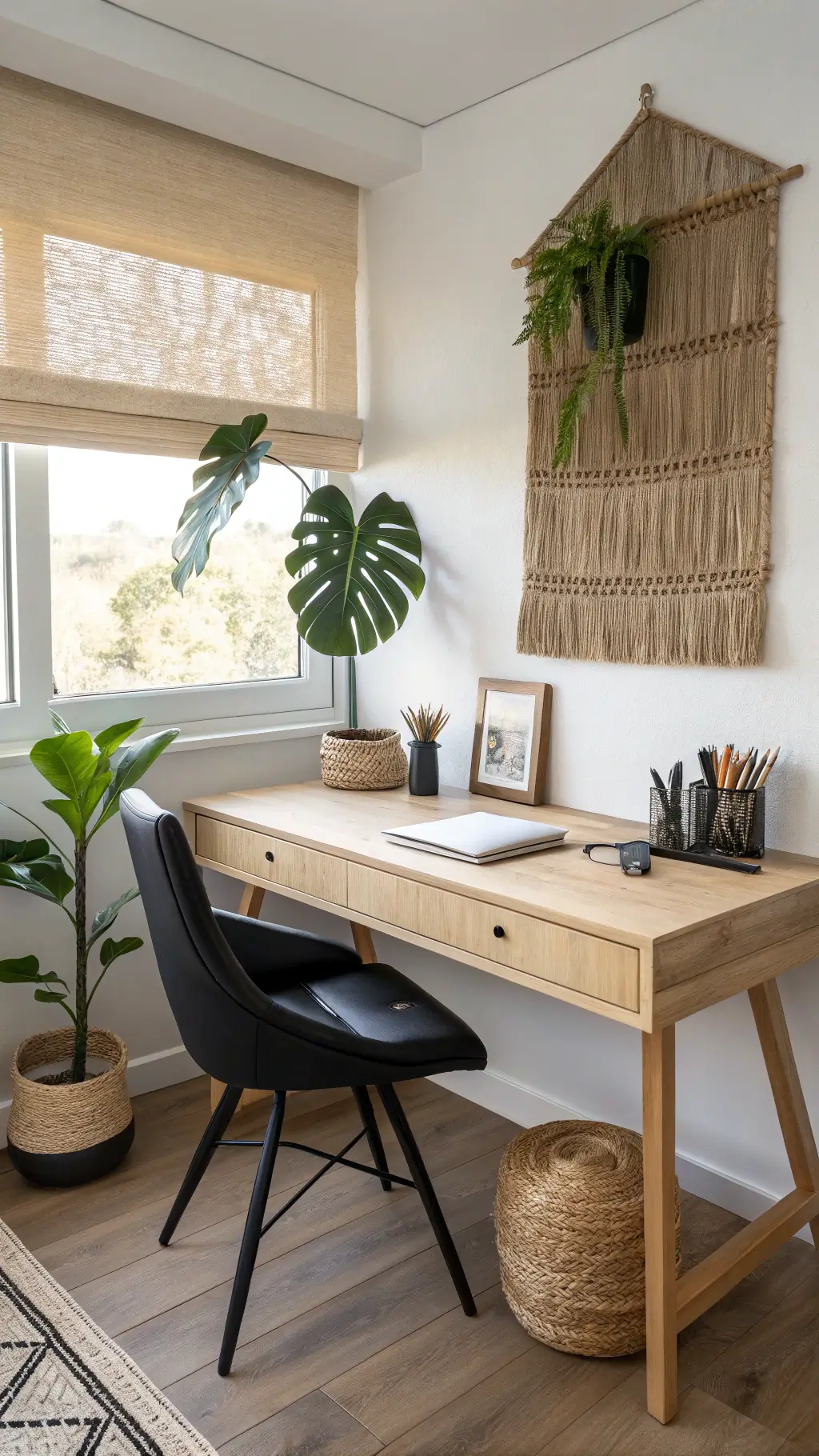
Common Mistakes to Avoid
Japandi No-Nos:
- Overcrowding spaces
- Choosing trendy over timeless
- Ignoring natural light
- Forgetting comfort
- Being too rigid
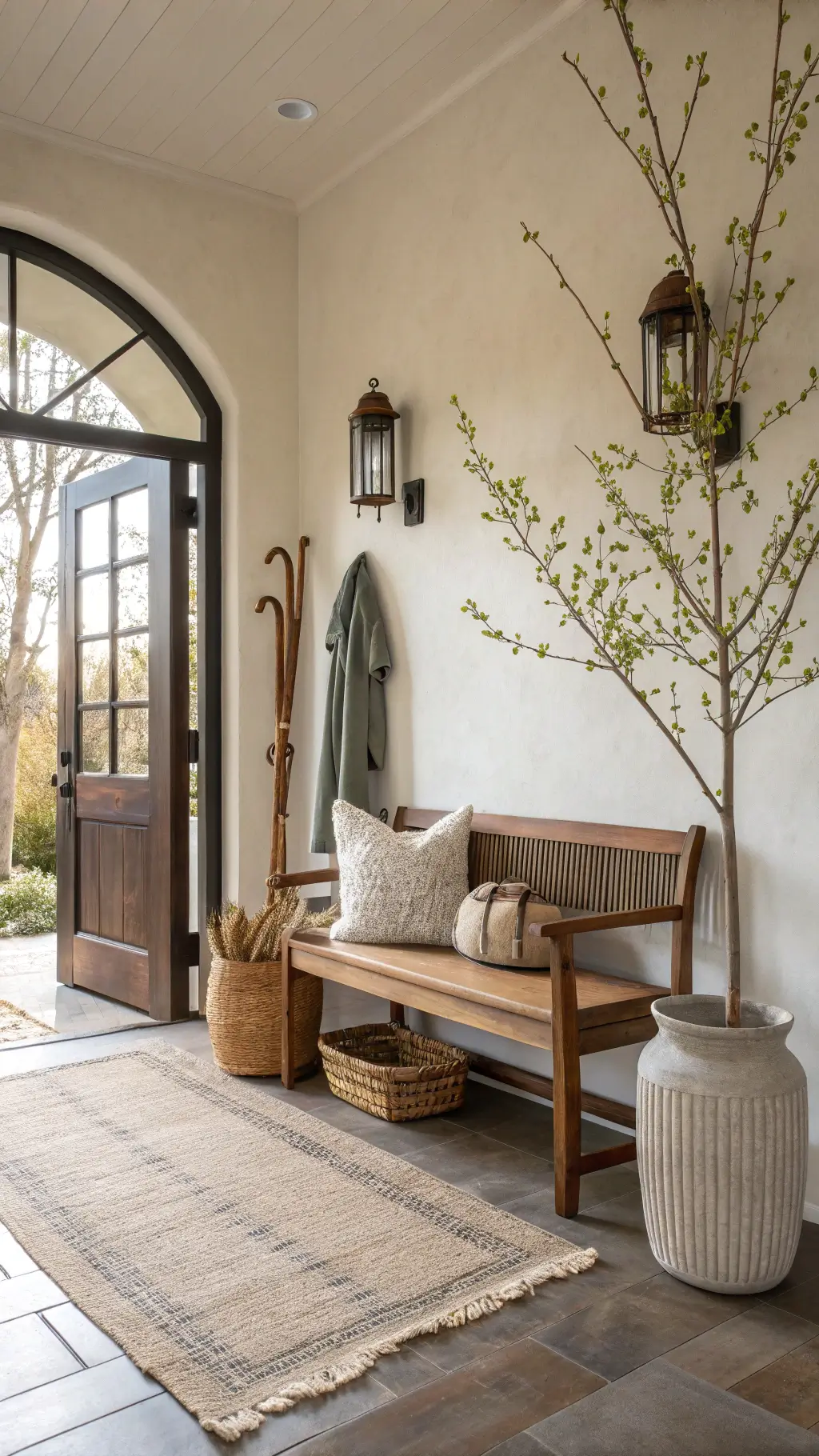
The Philosophy Behind Japandi
Two cultural design traditions converge:
- Scandinavian Hygge: Cozy comfort
- Japanese Wabi-Sabi: Imperfect beauty
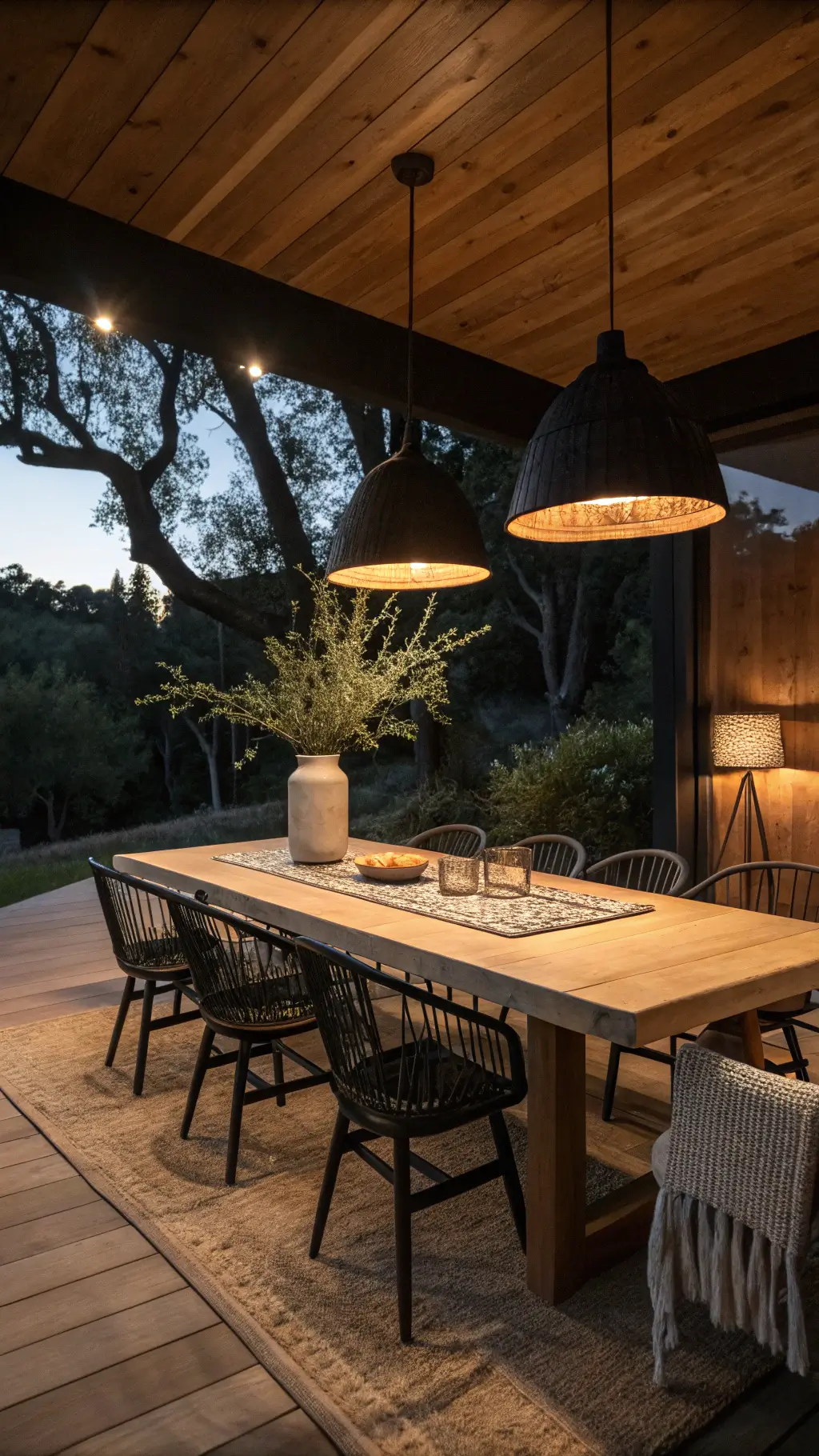
Cost Considerations
Budget Ranges:
- Budget: $500 – $2,000
- Mid-range: $2,000 – $5,000
- High-end: $5,000 – $15,000+
Sustainability Factor
Japandi isn’t just beautiful—it’s environmentally conscious:
- Durable materials
- Timeless designs
- Minimal waste
- Natural resources
- Long-lasting furniture
Final Thoughts
Place one object on one surface until the space around it is visible. Japandi interiors succeed when the emptiness is doing the speaking. The best ones feel like spaces where the quiet is doing the hosting.