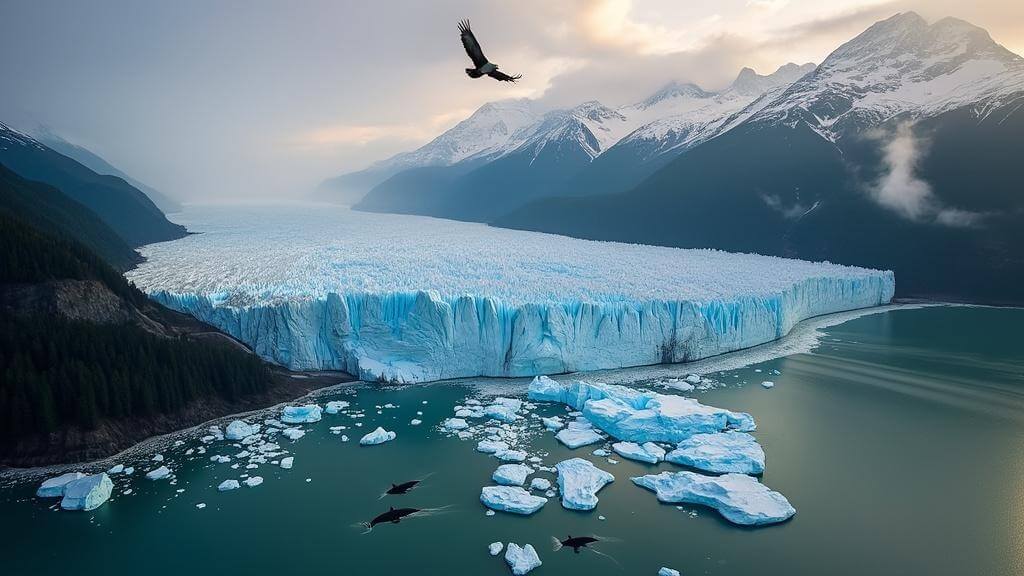
Have you ever dreamed of a place where glaciers dance, wildlife roams freely, and ancient landscapes whisper stories of survival? Welcome to Glacier Bay National Park, Alaska’s most breathtaking wilderness treasure.
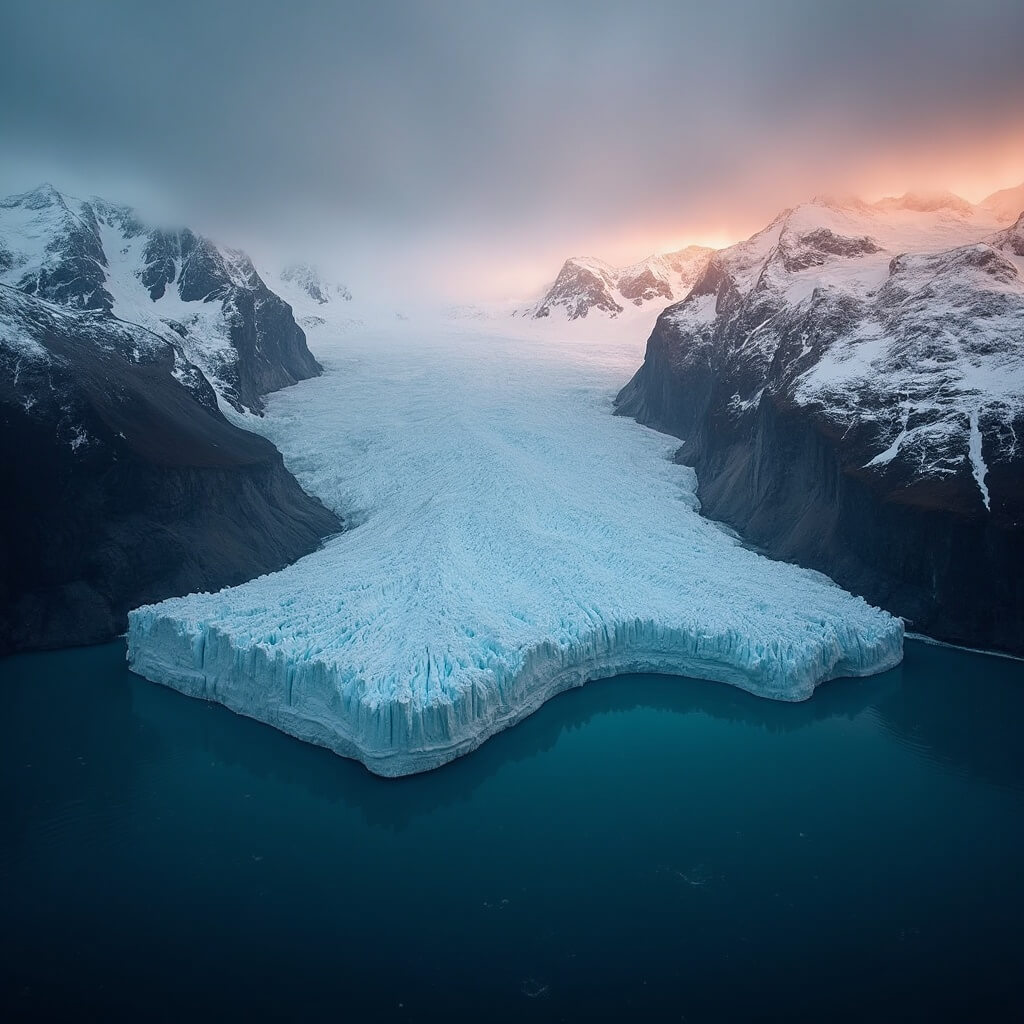
The Hidden Gem of Southeast Alaska: More Than Just Another Park
Imagine 3.3 million acres of pure, untouched wilderness nestled in the heart of Southeast Alaska. Glacier Bay isn’t just a national park—it’s a living, breathing ecosystem that defies imagination.
I spent a summer kayaking these waters, and let me tell you, nothing prepares you for the raw majesty of this place. The moment my paddle first cut through the aquamarine waters, I knew I was experiencing something extraordinary.
Geographical Marvel: Where Mountains Meet the Sea
Glacier Bay is a geological wonderland that tells a story millions of years in the making. Picture rugged mountain ranges crowned with snow-capped peaks, surrounded by a complex network of tidewater and mountain glaciers. The park boasts five legendary glaciers that have become scientific rock stars:
- Margerie Glacier
- Grand Pacific Glacier
- Lamplugh Glacier
- John Hopkins Glacier
- Reid Glacier
Each glacier is a time machine, revealing the earth’s dramatic transformation. The bay itself is a relatively new landscape—formed by retreating glaciers over just the past 250 years.
A Temperate Rainforest Meets Marine Wilderness
Walk along the shoreline, and you’ll transition between old-growth evergreen forests and rocky coastal landscapes. This isn’t just scenery—it’s a living, breathing ecosystem where marine and terrestrial worlds collide.
Wildlife Paradise: Nature’s Most Spectacular Show
Glacier Bay isn’t just beautiful—it’s alive with some of the most incredible wildlife encounters you’ll ever experience.
Marine Mammal Extravaganza
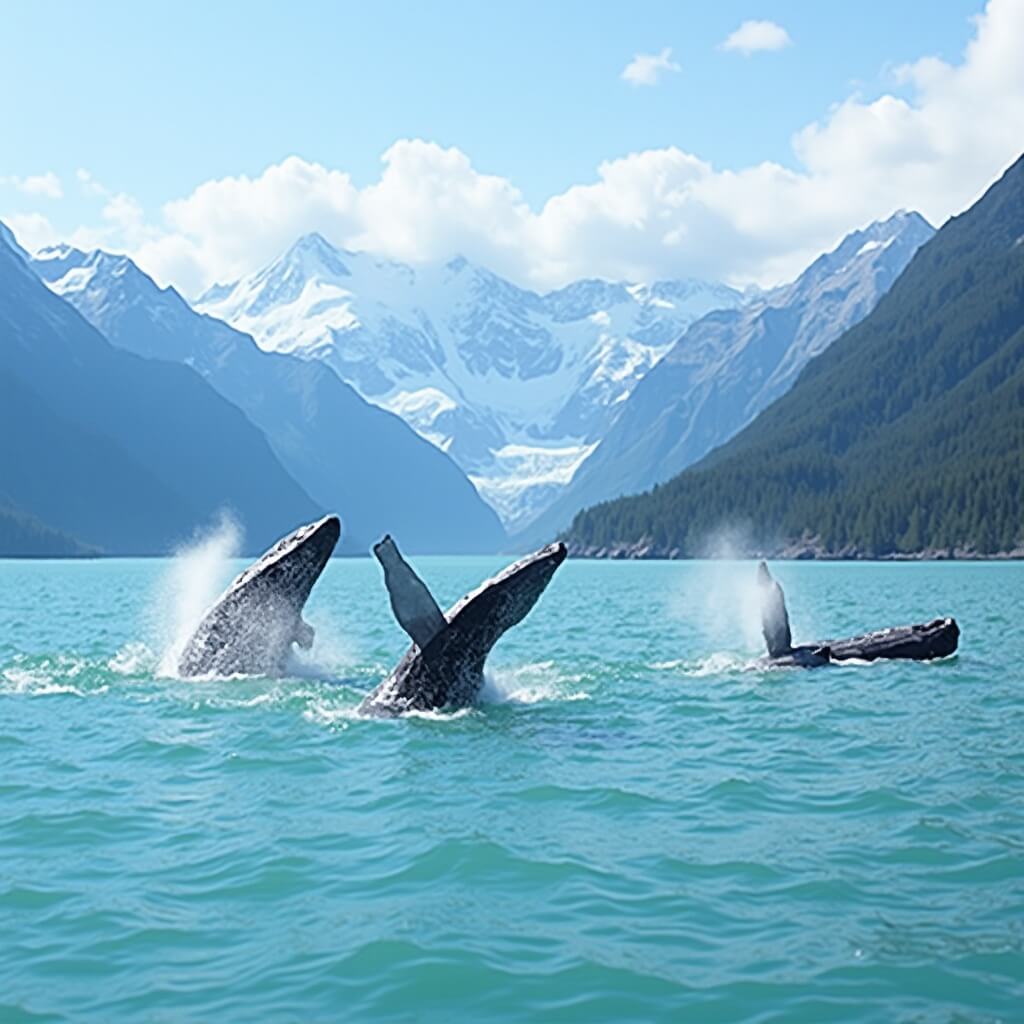
Imagine watching humpback whales tail-slapping the water’s surface or sea otters floating lazily on their backs. Harbor seals and Steller sea lions add to this marine symphony, especially around Marble Island.
Land Predators and Mountain Dwellers
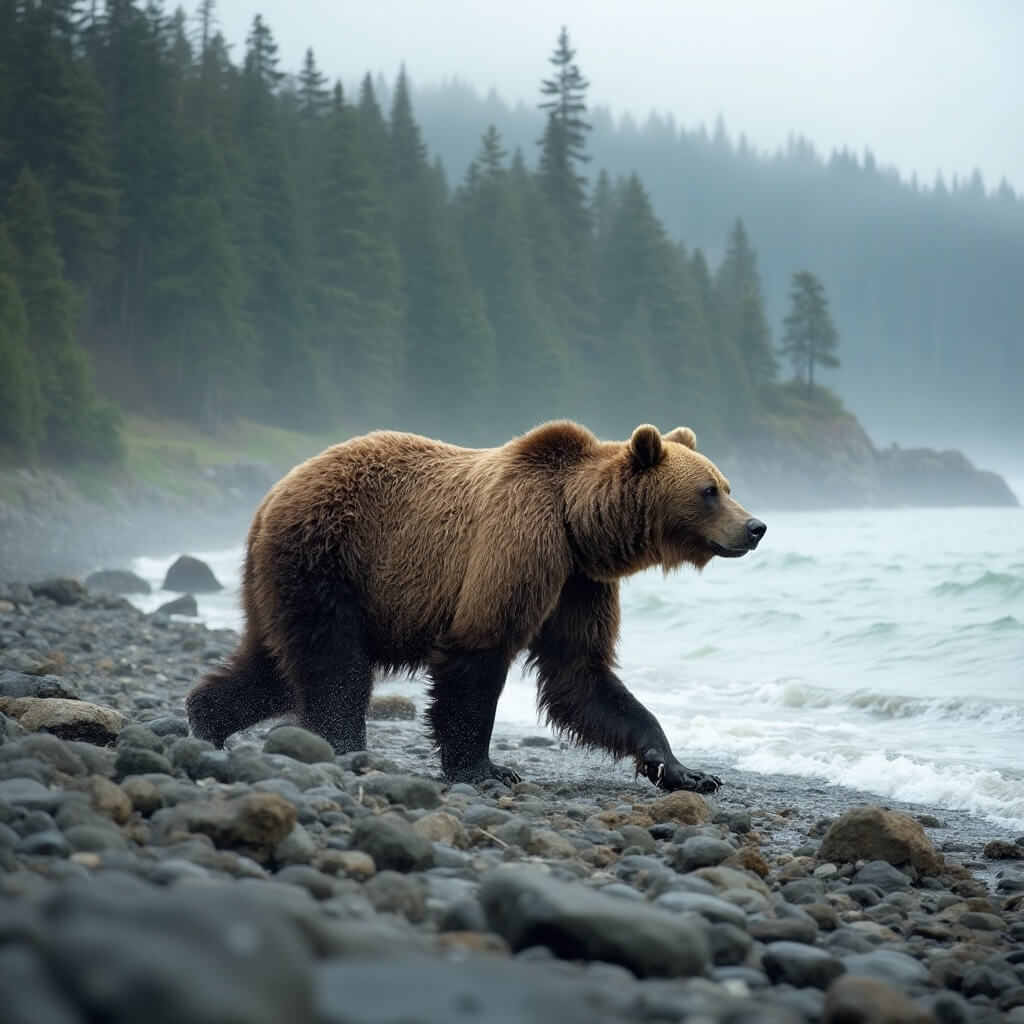
Brown bears prowl northern glacial shores, while black bears dominate southern forested regions. Mountain goats defy gravity, perching on seemingly impossible rocky slopes.
Avian Wonderland
With over 240 bird species documented, birdwatchers will be in absolute heaven. Bald eagles and diverse shorebirds create a constant aerial ballet.
Cultural Roots: More Than Just a Landscape
This isn’t just a park—it’s the ancestral homeland of the Huna and Yakutat Łingít peoples. Their deep connection to the land runs far deeper than most visitors realize.
The modern village of Hoonah represents ongoing indigenous connections, where traditional practices and contemporary life intertwine seamlessly.
A UNESCO World Heritage site, Glacier Bay represents more than natural beauty—it’s a testament to cultural resilience and environmental significance.
The Landscape Is Changing: A Living Laboratory
Glacier Bay isn’t static. It’s a dynamic environment continuously reshaping itself. Ecological succession means the landscape is literally being “reborn” through glacial movement and climate interactions.
Scientists consider this region a critical research site for understanding climate change, wildlife adaptation, and ecosystem resilience.
Preparing for Your Glacier Bay Adventure
Most visitors arrive via Gustavus or cruise ships from Juneau. But here’s a pro tip: prepare for unpredictable weather and limited infrastructure.
Recommended Gear:
- Layered clothing
- Waterproof jacket
- Binoculars
- Hiking boots
- Camera with good zoom capabilities
The magic of Glacier Bay isn’t just about seeing—it’s about experiencing a landscape that challenges everything you thought you knew about wilderness.
As the glaciers continue their ancient dance of advance and retreat, one thing becomes crystal clear: this is a place where nature writes its own rules.
The rhythmic sound of ice calving, the misty breath of a whale surfacing, the silent movement of a bear along the shoreline—these moments transform from mere observations into profound connections with something far greater than ourselves.
And this is just the beginning of our Glacier Bay exploration…
Navigating the Conservation Frontier: Protecting a Delicate Ecosystem
The real story of Glacier Bay isn’t just about its stunning landscapes—it’s about survival, adaptation, and human responsibility.
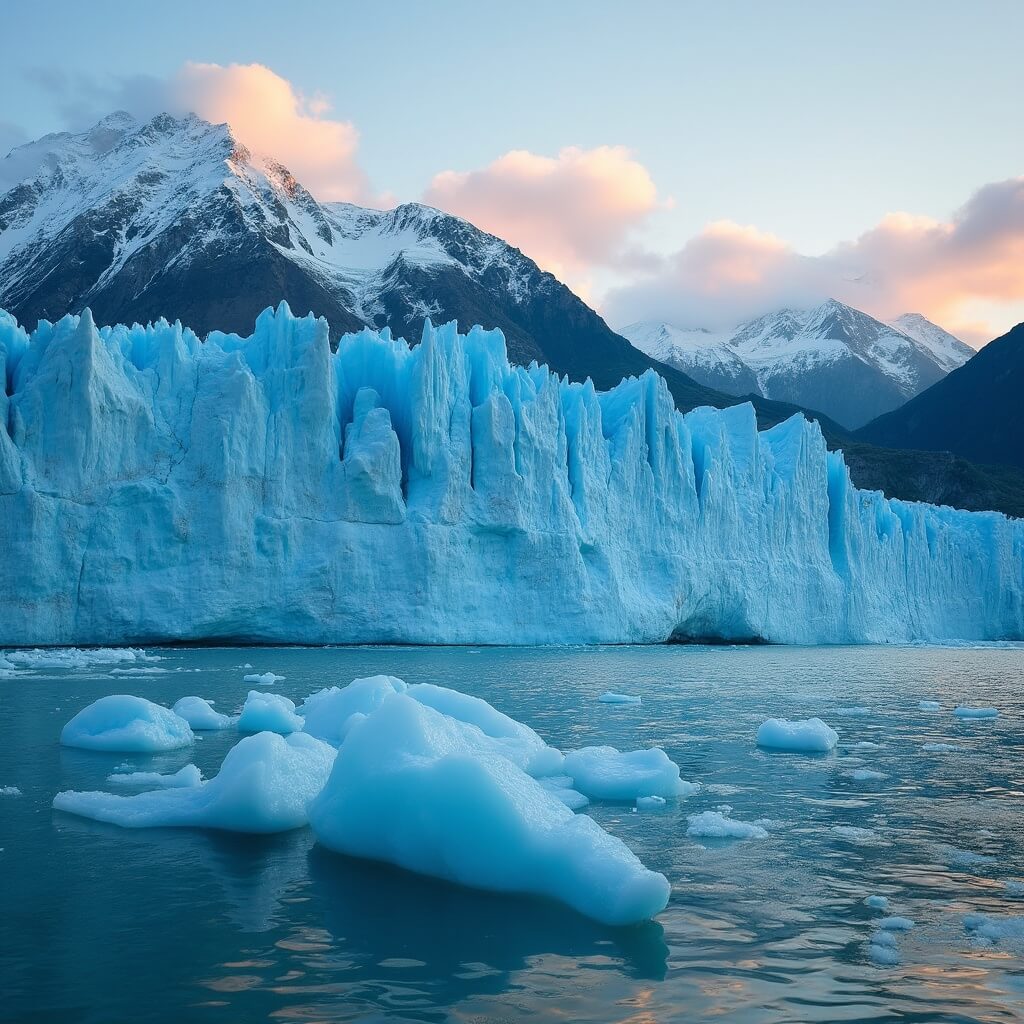
Climate Change: The Invisible Challenge
Our planet’s most dramatic transformation is happening right here in this Alaskan wilderness. Glacial retreat isn’t just a scientific statistic—it’s a living, breathing reality.
Research from the National Park Service reveals some startling insights:
- Glacier Bay’s glaciers have retreated over 65 miles in the past 250 years
- Average temperature increases of 3°F have dramatically altered wildlife migration patterns
- Some glaciers are losing up to 100 feet of ice annually
But here’s the fascinating part: this ecosystem isn’t just dying—it’s adapting.
Indigenous Wisdom Meets Modern Conservation
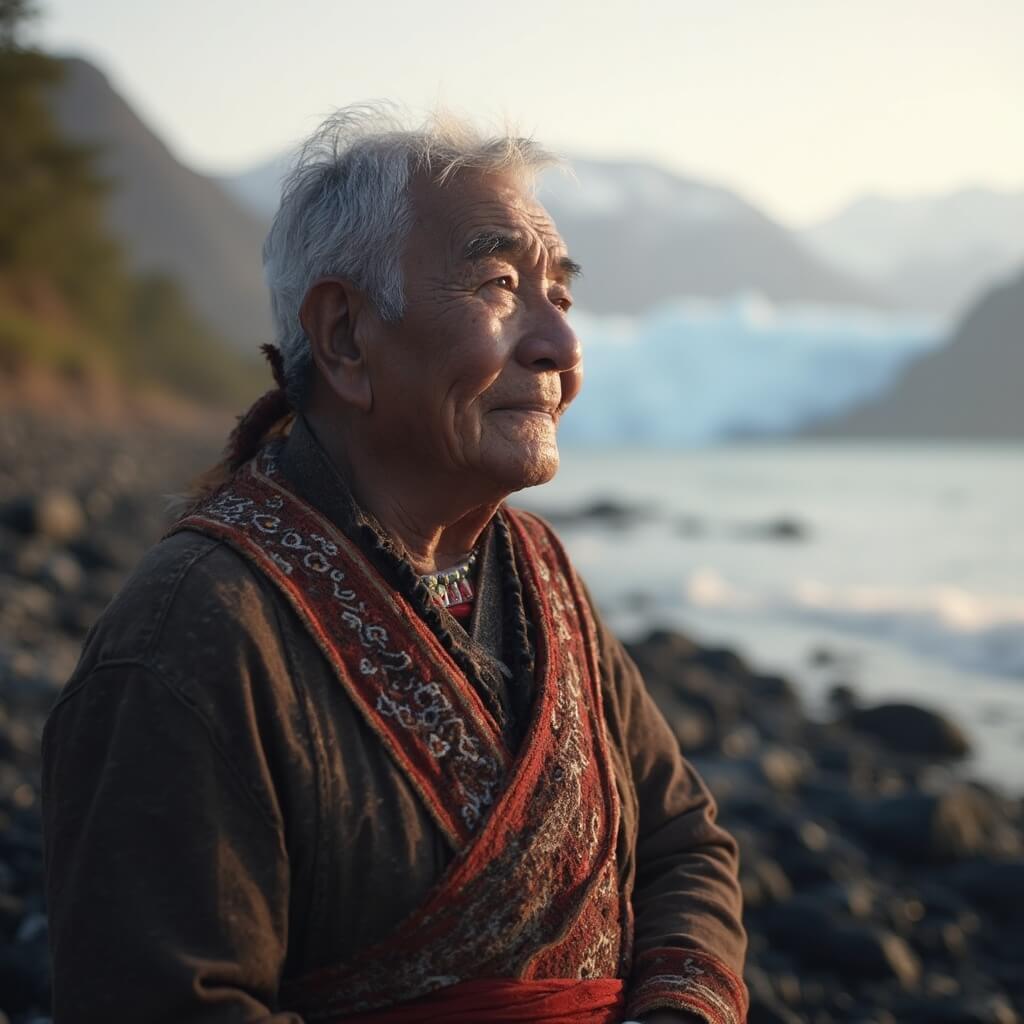
The Huna Łingít have understood something Western science is just beginning to comprehend: landscapes are living entities with their own intelligence.
Their traditional ecological knowledge provides critical insights into:
- Wildlife migration patterns
- Sustainable resource management
- Climate adaptation strategies
I witnessed this firsthand during a conversation with a Huna elder who explained how their ancestors tracked environmental changes through storytelling—long before satellite imaging and climate models.
Ecotourism: Walking the Delicate Line
Visitors to Glacier Bay aren’t just tourists—they’re potential conservation ambassadors.
Smart Travel Strategies:
- Choose low-impact tour operators
- Follow strict Leave No Trace principles
- Participate in ranger-led educational programs
- Support local indigenous-led tourism initiatives
The Economic and Ecological Balance
Sustainable tourism isn’t just possible—it’s essential. Each visitor contributes approximately $15 million annually to local economies while funding critical conservation efforts.
Research shows that educated travelers become the most passionate environmental advocates.
The Scientific Frontier: Research in Action
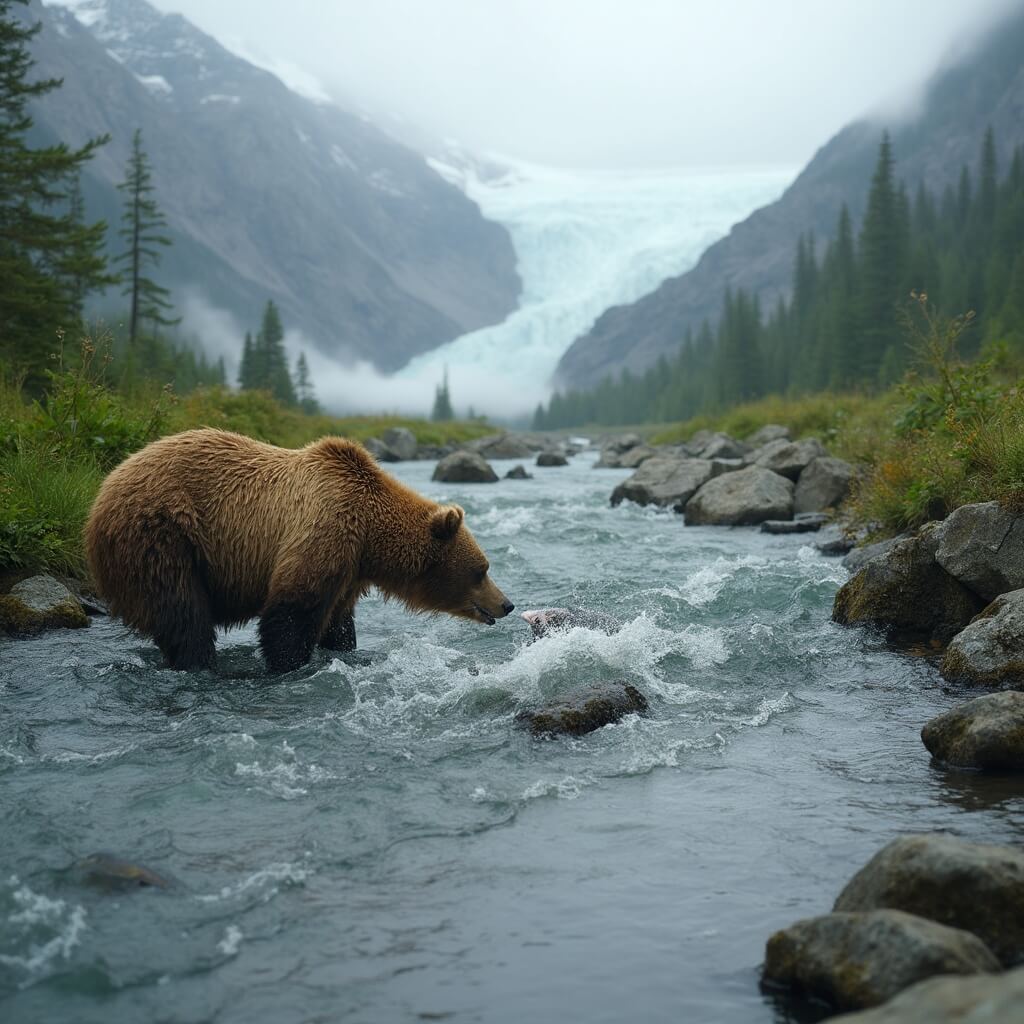
Glacier Bay isn’t just a national park—it’s a living laboratory where scientists track:
- Glacial dynamics
- Wildlife population shifts
- Ecosystem resilience
- Climate change indicators
Cutting-edge research happening right now could provide global insights into environmental adaptation.
Practical Travel Tips for the Conscious Explorer
Want to experience Glacier Bay responsibly? Here’s your ultimate guide:
Timing Your Visit
- Peak season: June through August
- Best wildlife viewing: Early morning and late afternoon
- Shoulder seasons offer fewer crowds and unique experiences
Essential Gear Checklist
- Waterproof layering system
- High-quality binoculars
- Telephoto camera lens
- Sturdy, waterproof hiking boots
- Lightweight, quick-drying clothing
Budgeting and Logistics
- Average trip cost: $300-$1500 per person
- Advance booking recommended
- Multiple travel options: Cruise, kayak, small plane
Explore more with the Complete Guide to Exploring Glacier Bay National Park.
The Future of Glacier Bay: A Collaborative Vision
What we’re witnessing isn’t just environmental change—it’s a global narrative of resilience, adaptation, and hope.
Indigenous communities, scientists, conservationists, and responsible travelers are writing a new chapter in environmental stewardship.
The Takeaway: More Than Just a Destination
Glacier Bay represents something profound: a living testament to nature’s incredible capacity for renewal and transformation.
Every glacier that calves, every whale that breaches, every bear that forages—they’re telling a story far larger than ourselves.
And you? You’re not just a visitor. You’re a witness to one of the planet’s most extraordinary landscapes.
Welcome to Glacier Bay—where wilderness writes its own extraordinary story.