Transform Your Backyard: The Ultimate Guide to Creating a Stunning Studio Space
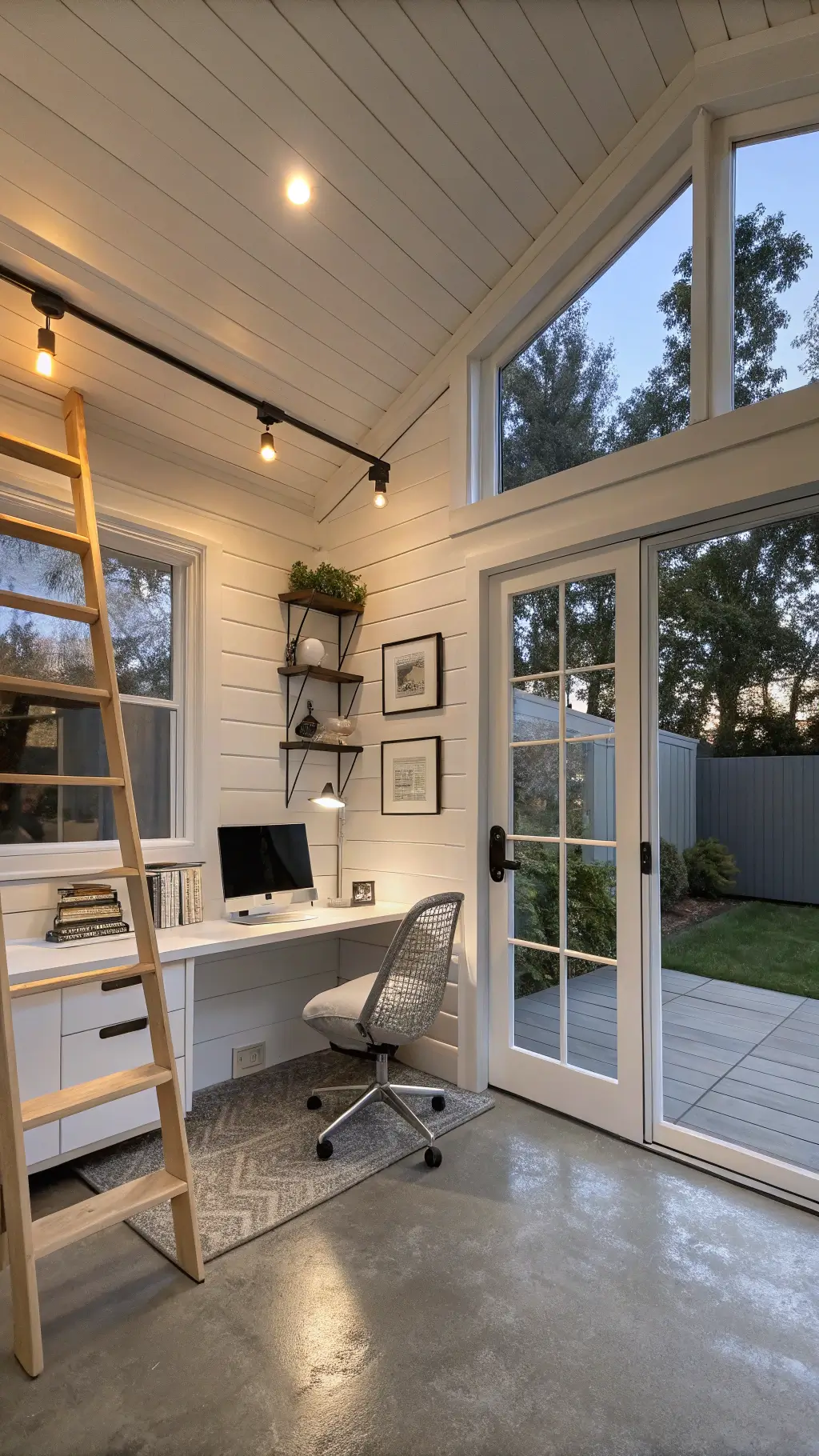
I walked into a structure that was small enough to be classified as a shed but was furnished like a room and the windows were large and the door was sliding and the space felt like a place where the owner had been given permission to work outside but stay inside. Backyard studios work when the commute is doing the shrinking.
Why a Backyard Studio? Real Solutions for Real People
I’ve watched countless friends struggle with makeshift home offices crammed into living rooms and bedrooms. A dedicated backyard studio solves multiple problems:
- Separate workspace away from household distractions
- Professional environment for remote work
- Flexible creative zone for artists, musicians, photographers
- Potential property value increase
- Affordable alternative to home renovation
Design Styles: Finding Your Perfect Studio Aesthetic
Modern Minimalist Options
- Sleek, clean lines
- Neutral color palettes (whites, grays, natural wood)
- Multipurpose functionality
- Compact yet sophisticated design
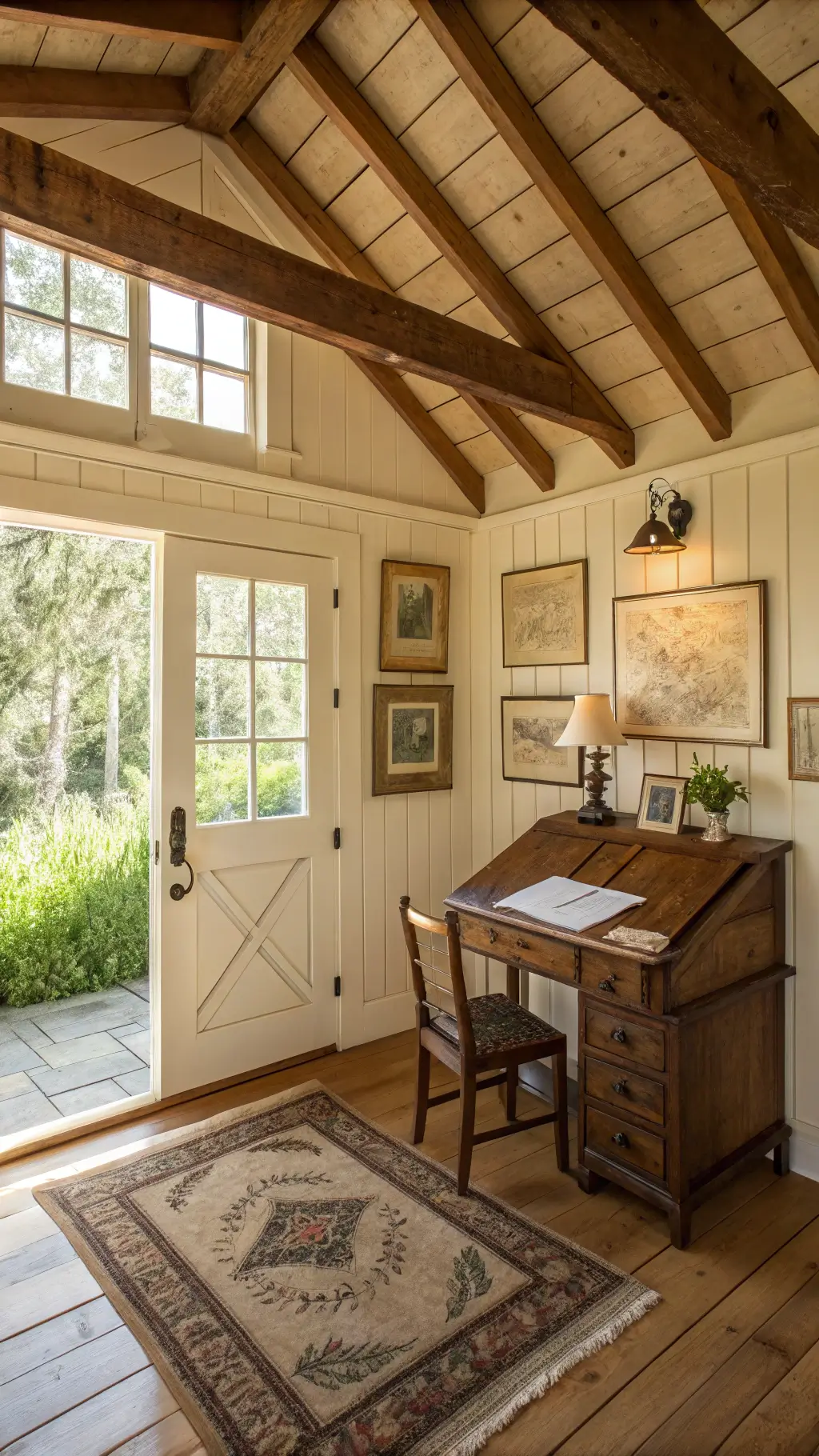
Traditional Charm Alternatives
- Cottage-inspired exteriors
- Warm wood finishes
- Classic architectural details
- Seamless backyard integration

Budget Breakdown: What to Expect
Cost Ranges:
- Small DIY Kits: $3,000 – $8,000
- Mid-Range Prefab Studios: $10,000 – $15,000
- Custom Luxury Spaces: $20,000+
Pro Tip: Factor in additional expenses like site preparation, electrical work, and interior finishing.
Essential Considerations Before Building
Space Requirements
- Typical sizes: 8’x10′ to 12’x20′
- Check local zoning regulations
- Consider property line setbacks
- Evaluate sun exposure and drainage
Functional Planning
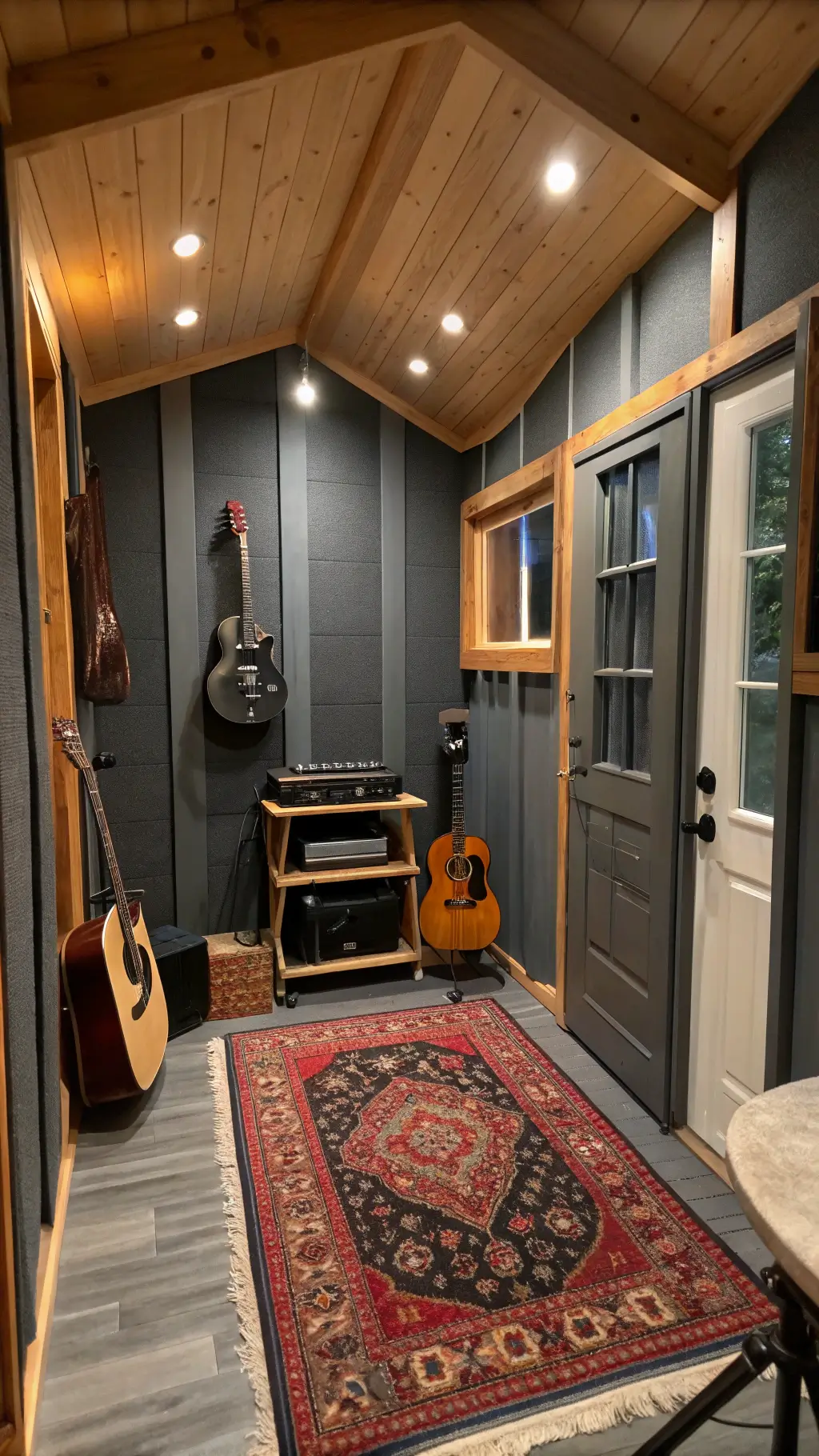
- Determine primary use (office, art studio, music room)
- Plan electrical and internet connectivity
- Consider insulation and climate control
- Design for year-round comfort
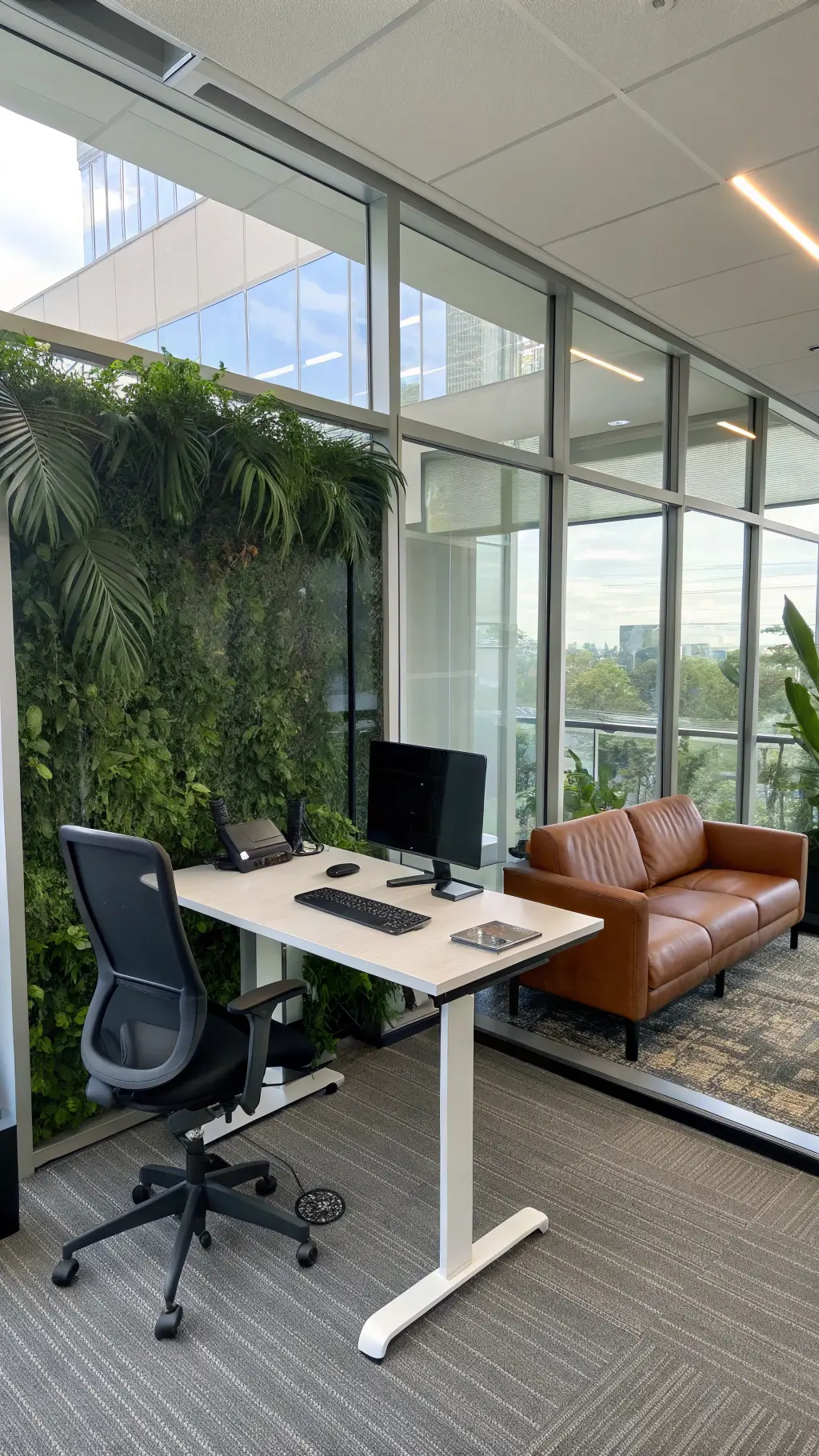
Photography and Styling: Showcasing Your Studio
Must-Have Equipment
- High-resolution camera (12MP+)
- Tripod for stability
- Natural or portable lighting
- Editing software (Lightroom, Photoshop)
Styling Best Practices
- Create a focal point (desk, instrument, seating)
- Layer textures: wood, metal, textiles
- Maintain a cohesive color palette
- Keep decor practical and uncluttered

Installation Tips for DIY Enthusiasts
Skill Level: Intermediate to Advanced
Key Steps
- Prepare site and foundation
- Assemble structural components
- Install electrical and tech infrastructure
- Add interior finishes
- Style and personalize
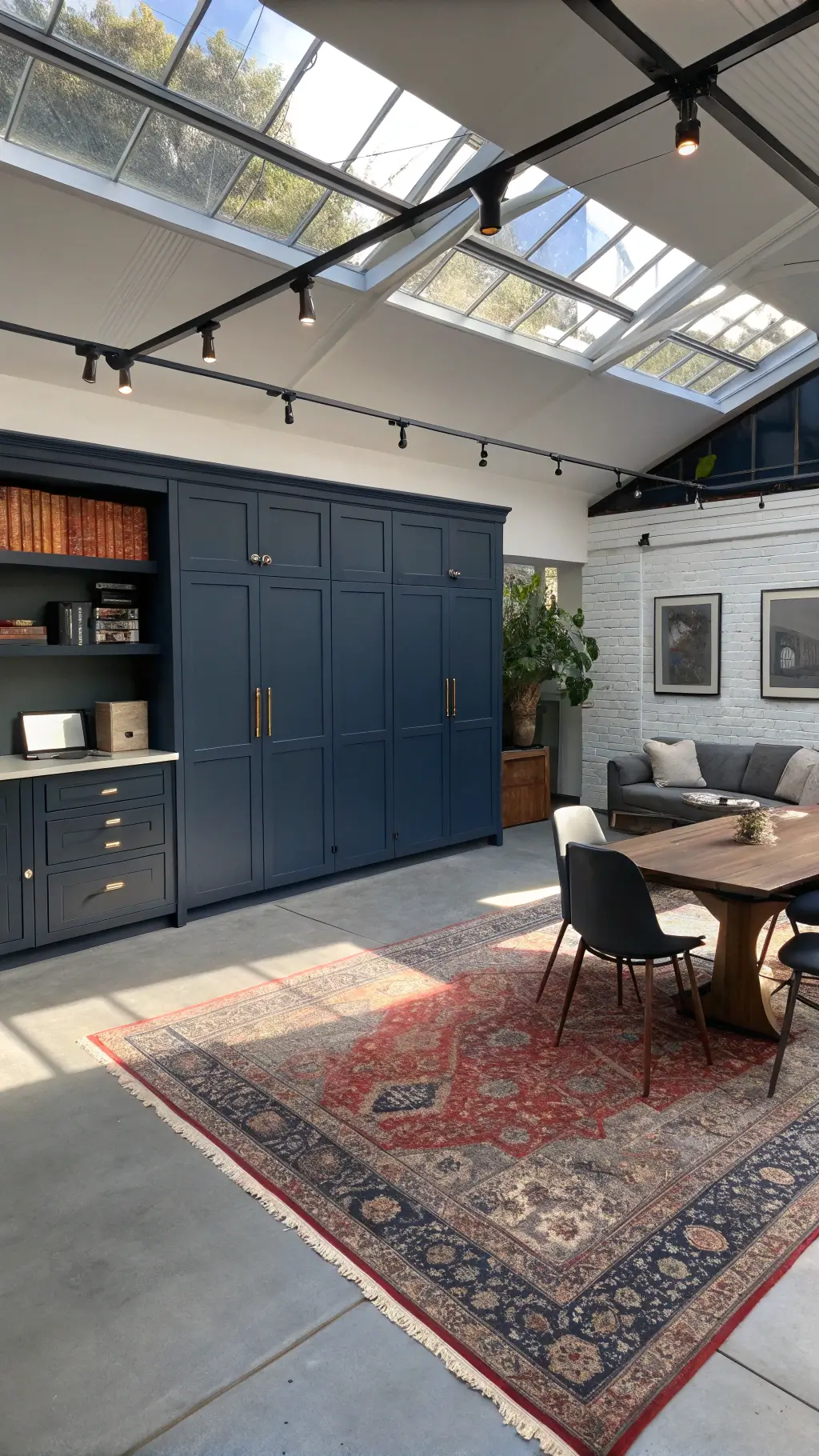
Common Challenges and Solutions
Potential Roadblocks
- Zoning restrictions
- Utility connections
- Climate considerations
- Budget limitations
Proactive Strategies
- Research local regulations early
- Get multiple contractor quotes
- Plan for phased implementation
- Consider modular, adaptable designs
Final Thoughts: Your Personal Creative Sanctuary
Open one door until the yard is visible enough to notice. Backyard studios succeed when the garden is doing the neighboring. The best ones feel like spaces where the short walk is doing the arriving.