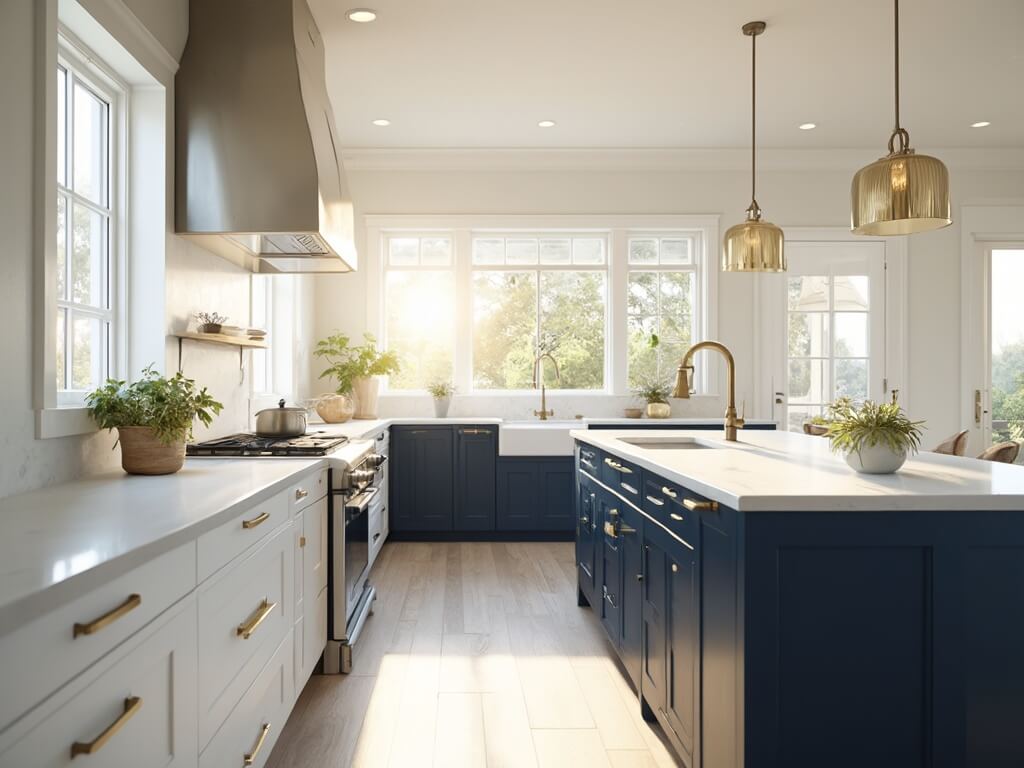
Dark Stained Kitchen Cabinets: The Ultimate Design Statement
Dark stained kitchen cabinets are more than just a design choice—they’re a bold declaration of style that transforms ordinary cooking spaces into extraordinary culinary sanctuaries.
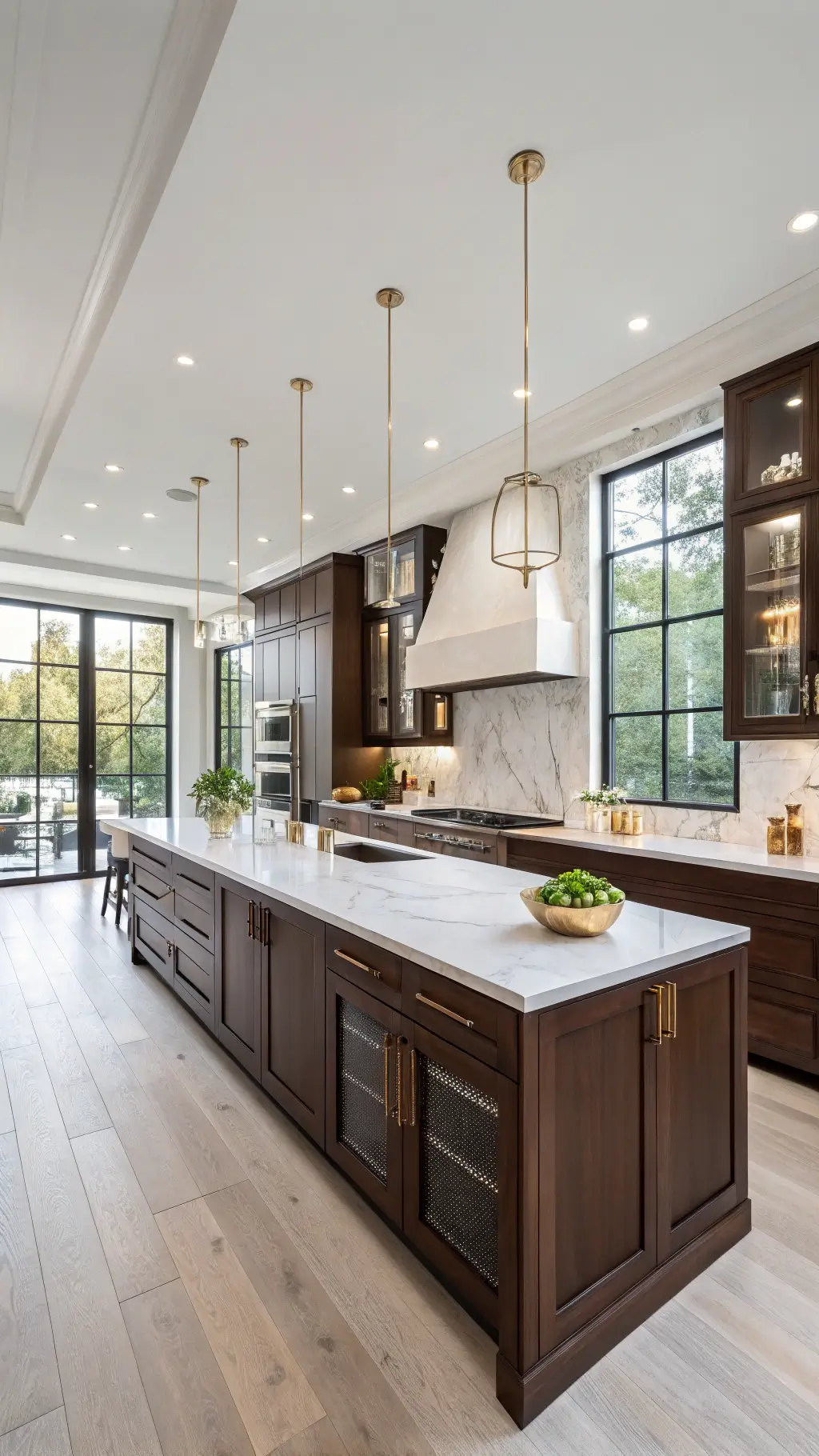
🌟 Steal This Look
- Paint Color: Sherwin-Williams Accessible Beige SW 7036
- Furniture: walnut bar stools with leather seats
- Lighting: matte black linear pendant over island
- Materials: honed black granite, brushed brass hardware, white oak flooring
There’s something undeniably grounding about walking into a kitchen with rich, dark cabinets—they feel collected and intentional, like the room has been there forever and will stay beautiful for decades more.
✅ Get The Look
Why Dark Cabinets Are a Game-Changer
Have you ever walked into a kitchen and felt an immediate sense of sophistication? That’s the magic of dark stained cabinets. These dramatic design elements do more than store your kitchenware—they create an atmosphere.
Key Benefits:
- Instant depth and drama
- Luxurious, high-end appearance
- Incredible versatility across design styles
- Excellent at hiding everyday wear and tear
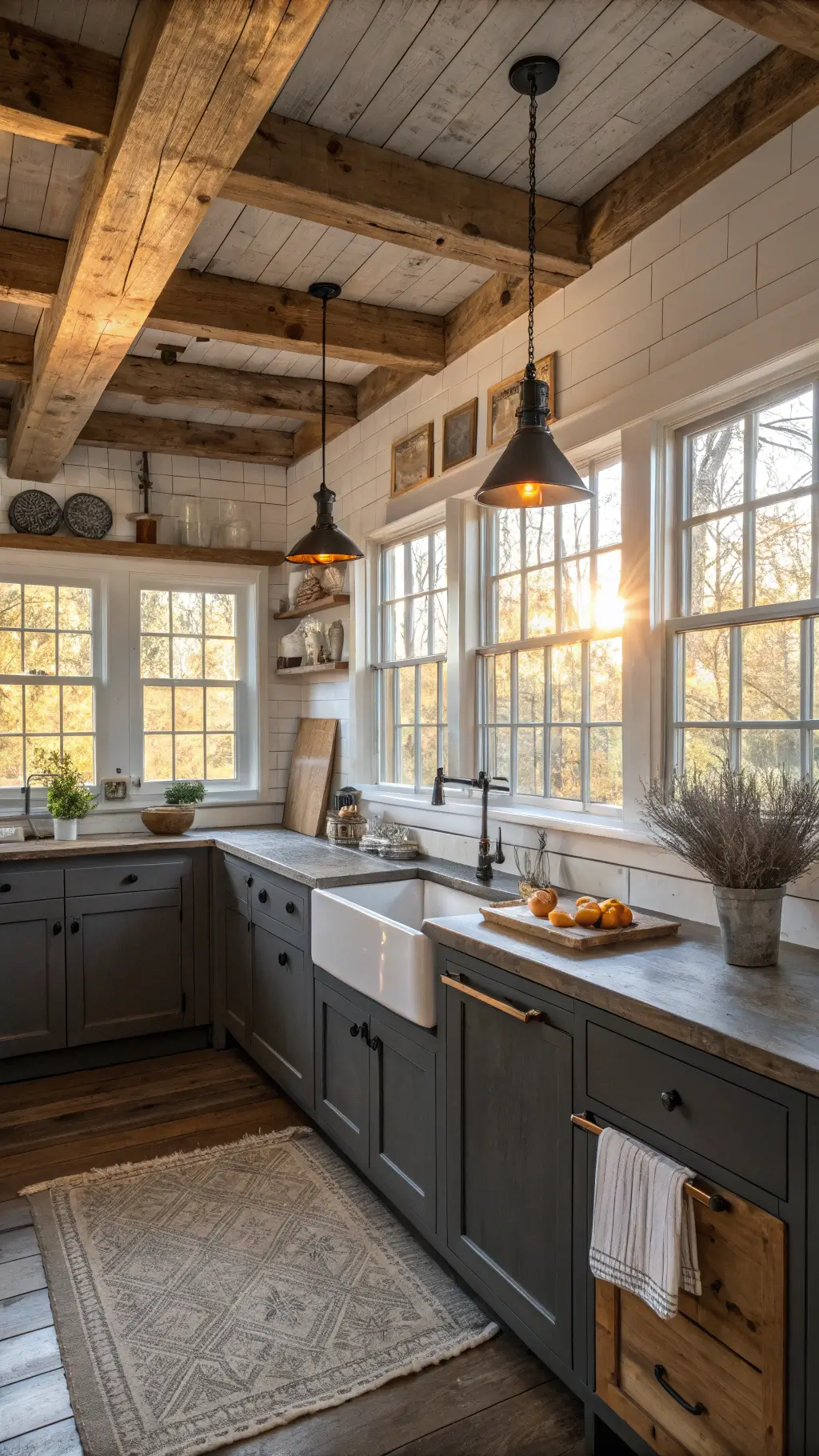
🏠 Steal This Look
- Paint Color: Benjamin Moore Chantilly Lace OC-65
- Furniture: blackened steel and white marble kitchen island with waterfall edge
- Lighting: linear LED pendant with brass accents suspended over the island
- Materials: quarter-sawn white oak with espresso stain, brushed brass hardware, honed Carrara marble, natural linen window treatments
There’s something quietly powerful about walking into a kitchen where the cabinets feel grounded and permanent—like the room has always belonged to the house and always will.
Selecting the Perfect Dark Stain
Not all dark stains are created equal. Your choice depends on your kitchen’s personality and existing design elements.
Popular Dark Stain Options
- Deep espresso brown
- Rich charcoal gray
- Classic black
- Forest green (for the adventurous)
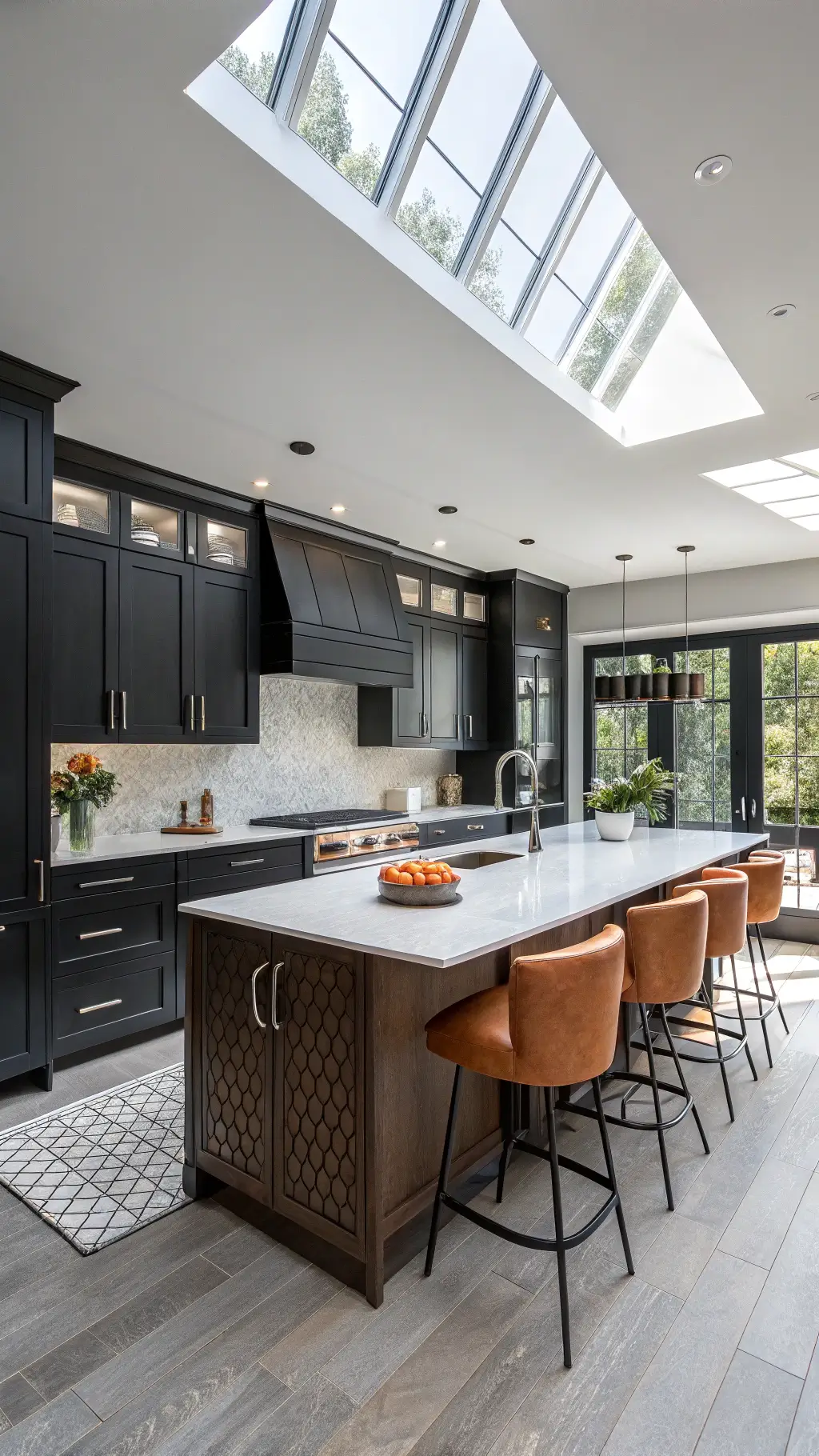
🌟 Steal This Look
- Paint Color: Farrow & Ball Strong White 2001
- Furniture: custom walnut kitchen island with live edge detail
- Lighting: Rejuvenation Haleigh Wire Dome pendant in aged brass
- Materials: quarter-sawn white oak with espresso stain, brushed brass hardware, honed Carrara marble countertops, natural linen window treatments
There’s something deeply satisfying about running your hand across a perfectly executed dark stain—it feels like the kitchen has history, even when it’s brand new, and guests always seem to gather closer in spaces this grounded.
Design Strategies: Making Dark Cabinets Work
Balancing Dark Tones
- Contrast is Key: Pair dark cabinets with lighter countertops
- Use metallic hardware for visual pop
- Incorporate bright backsplashes
- Add strategic lighting to prevent a cave-like feel

✎ Steal This Look
- Paint Color: Behr Swiss Coffee 12
- Furniture: white oak bar stools with woven rush seats
- Lighting: linear LED pendant with brass finish over island
- Materials: honed Carrara marble, brushed brass, natural rattan, matte ceramic tile
Dark cabinets feel like a commitment, but they’re actually incredibly forgiving—fingerprints hide better than on white, and they ground a kitchen in a way that feels collected over time rather than trend-driven.
🎁 Get The Look
Practical Considerations
Maintenance and Care
- Pro Tip: Dark stains require careful application
- Light sanding is crucial for lasting finish
- Use high-quality wood sealants
- Regular cleaning prevents dust accumulation
Lighting Matters
- Under-organizer&tag=zazella-20″ target=”_blank” rel=”noopener nofollow”>cabinet lighting is essential
- Natural light helps prevent space from feeling heavy
- Mix ambient and task lighting for optimal effect

🎨 Steal This Look
- Paint Color: use Valspar brand. Match the ACTUAL wall color in the image. Format: Valspar Swiss Coffee 7002-16
- Furniture: walnut butcher block kitchen island with storage base
- Lighting: LED under-cabinet strip lighting with warm 2700K temperature
- Materials: quartz countertops in Calacatta Laza, brushed brass hardware, hand-scraped oak flooring
Dark stained cabinets demand more intentional daily habits—I’ve found that keeping a microfiber cloth tucked inside a drawer makes the quick wipe-downs feel less like maintenance and more like caring for something that ages beautifully with you.
Budget and Implementation
Cost Breakdown:
- DIY Staining: $200 – $500
- Professional Refinishing: $1,500 – $5,000
- Custom Cabinetry: $5,000 – $15,000
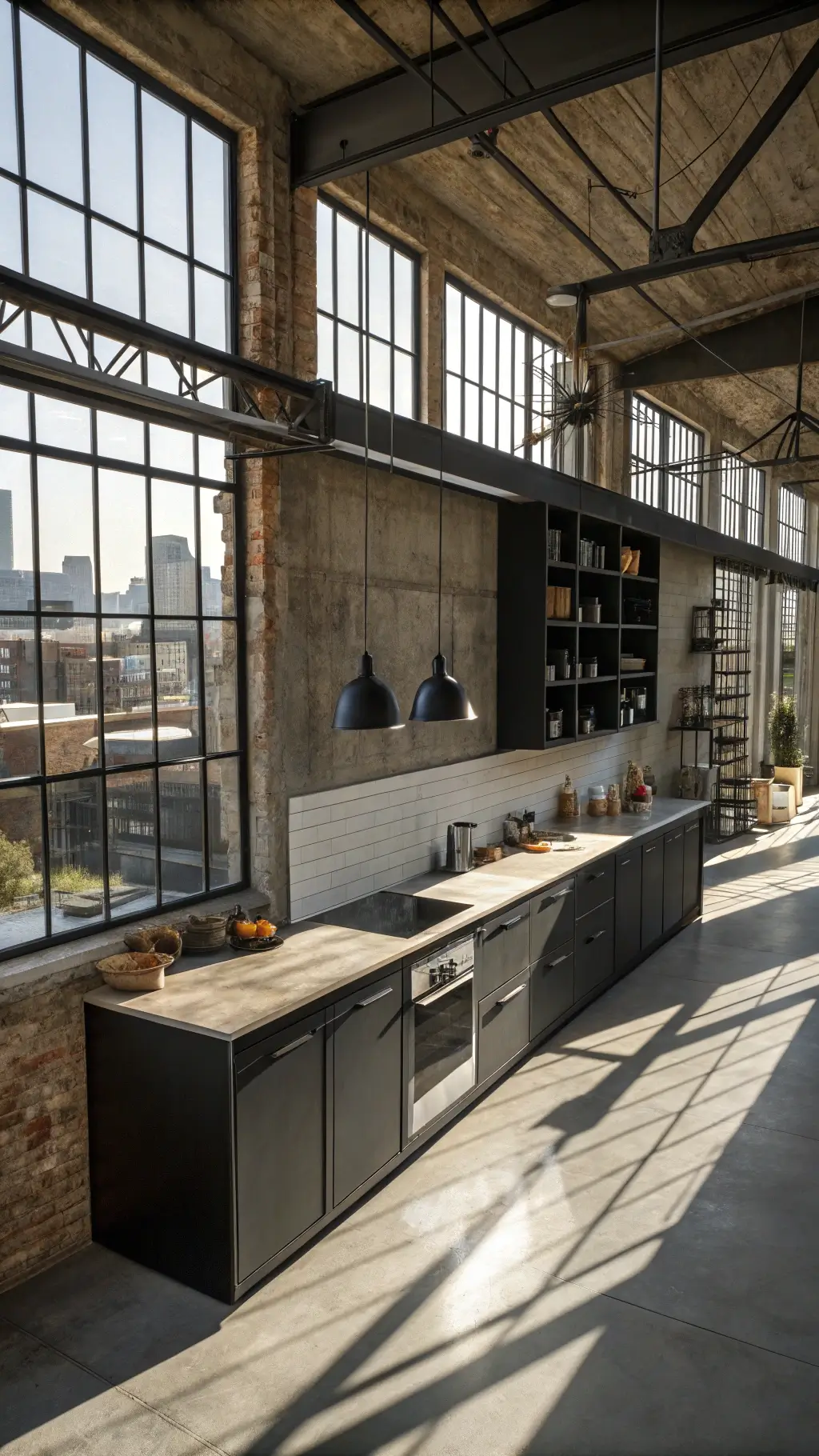
🖼 Steal This Look
- Paint Color: PPG Delicate White PPG1001-1
- Furniture: unfinished oak cabinet boxes with shaker-style doors
- Lighting: oil-rubbed bronze semi-flush mount ceiling fixture
- Materials: gel stain in walnut or espresso, 220-grit sandpaper, foam brushes, clear satin polyurethane
Most homeowners underestimate how physically demanding cabinet staining is—kneeling for hours, working overhead, and the mental fatigue of precision work means spreading this project across two weekends saves both your back and the final result.
🛒 Get The Look
Style Compatibility
Dark stained cabinets work beautifully in:
- Modern kitchens
- Farmhouse designs
- Transitional spaces
- Traditional cooking areas
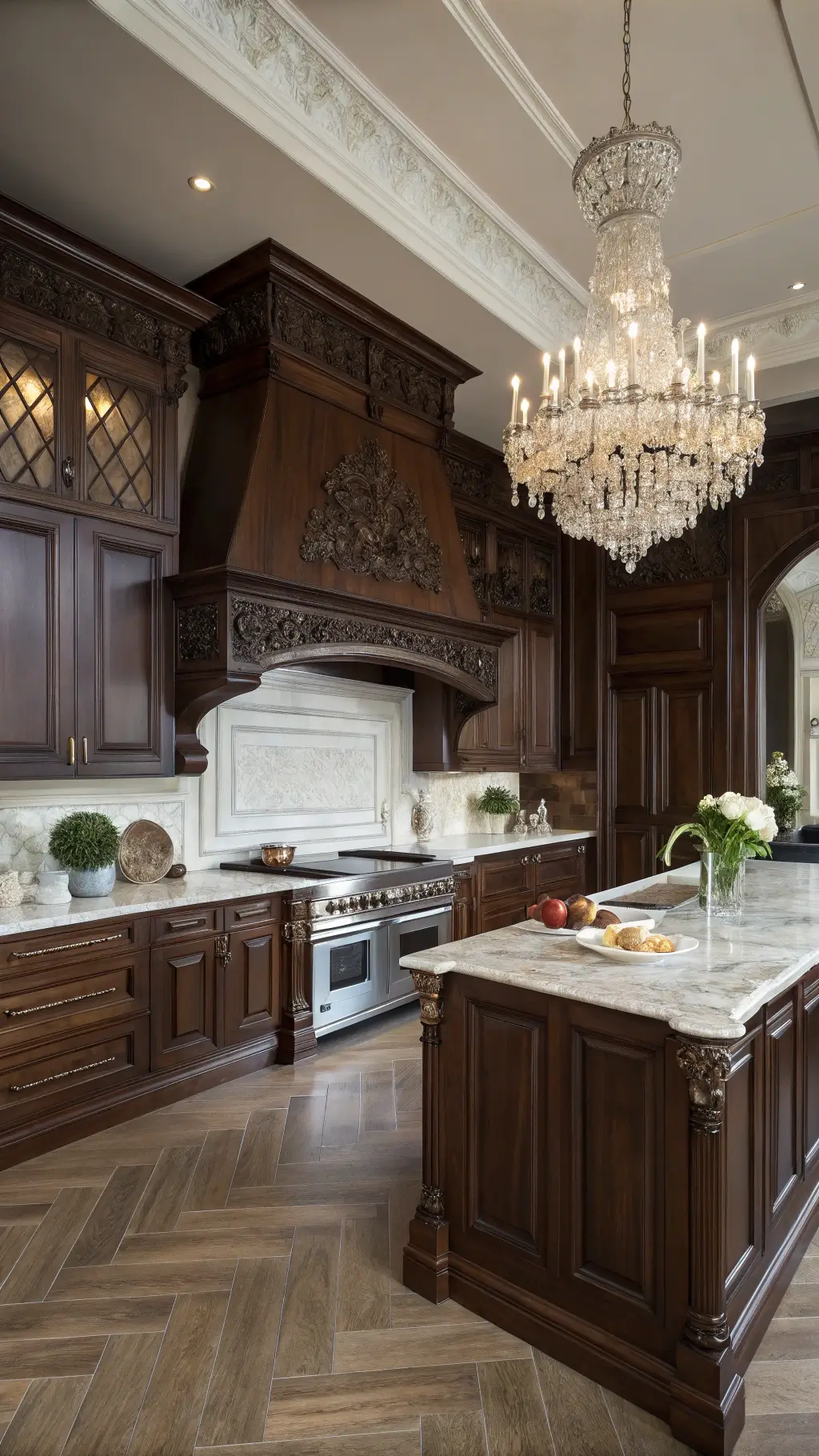
💡 Steal This Look
- Paint Color: use Dunn-Edwards brand. Match the ACTUAL wall color in the image. Format: Dunn-Edwards ColorName CODE
- Furniture: quarter-sawn oak kitchen island with turned legs and butcher block top
- Lighting: oversized matte black dome pendant with brass interior
- Materials: honed Carrara marble, brushed brass hardware, hand-scraped wide-plank flooring, seeded glass cabinet inserts
There’s something deeply satisfying about walking into a kitchen where the cabinets feel grounded and intentional—dark stains give you that built-in character that painted cabinets simply can’t replicate, no matter how trendy they become.
Common Mistakes to Avoid
- Skipping proper preparation
- Choosing a stain without considering room lighting
- Overlooking hardware selection
- Forgetting about overall color balance
Expert Styling Tips
- Layer different wood tones
- Mix matte and glossy finishes
- Use open shelving to break visual heaviness
- Incorporate organic elements like wooden bowls or greenery
The Final Verdict
Dark stained kitchen cabinets aren’t just a trend—they’re a timeless design choice that speaks volumes about your aesthetic sensibility. With careful planning and thoughtful execution, you can create a kitchen that’s both functional and breathtakingly beautiful.
Pro Recommendation: Invest time in preparation, choose your stain wisely, and don’t be afraid to make a bold statement.
Final Thoughts
Open one cabinet until the wood grain is visible in the light from the window. Dark cabinets succeed when the material is treated as surface. The best kitchens feel like rooms where the wood is doing the talking.