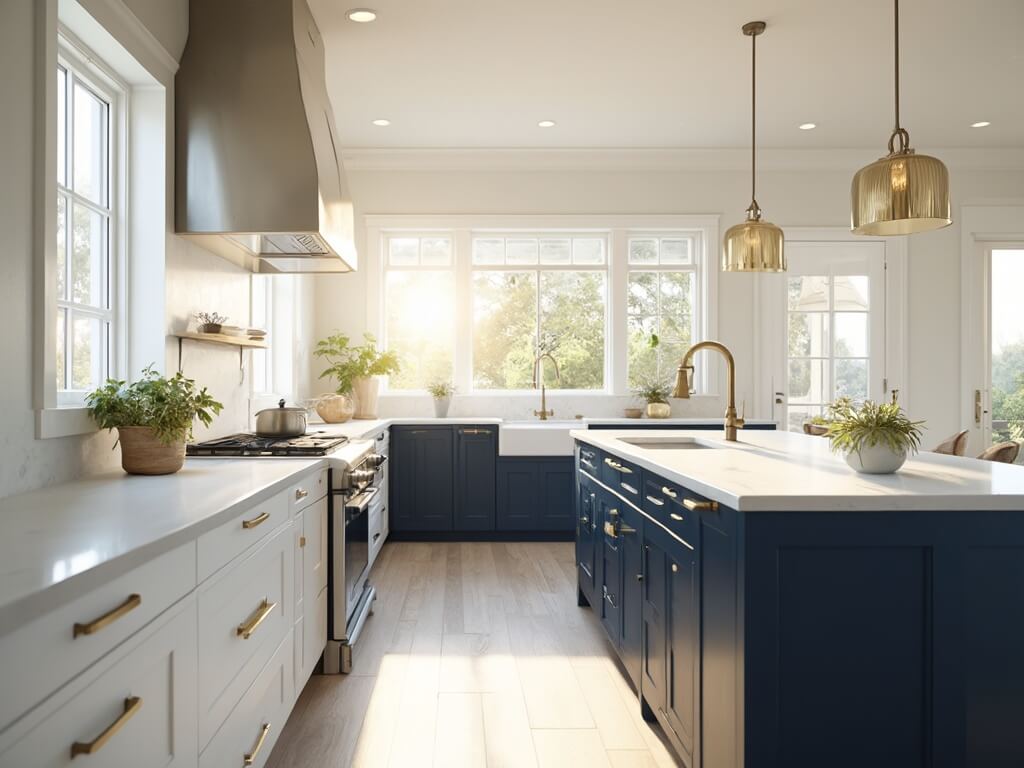
Wabi Sabi Kitchen: Embracing Imperfection and Natural Beauty in Your Culinary Space
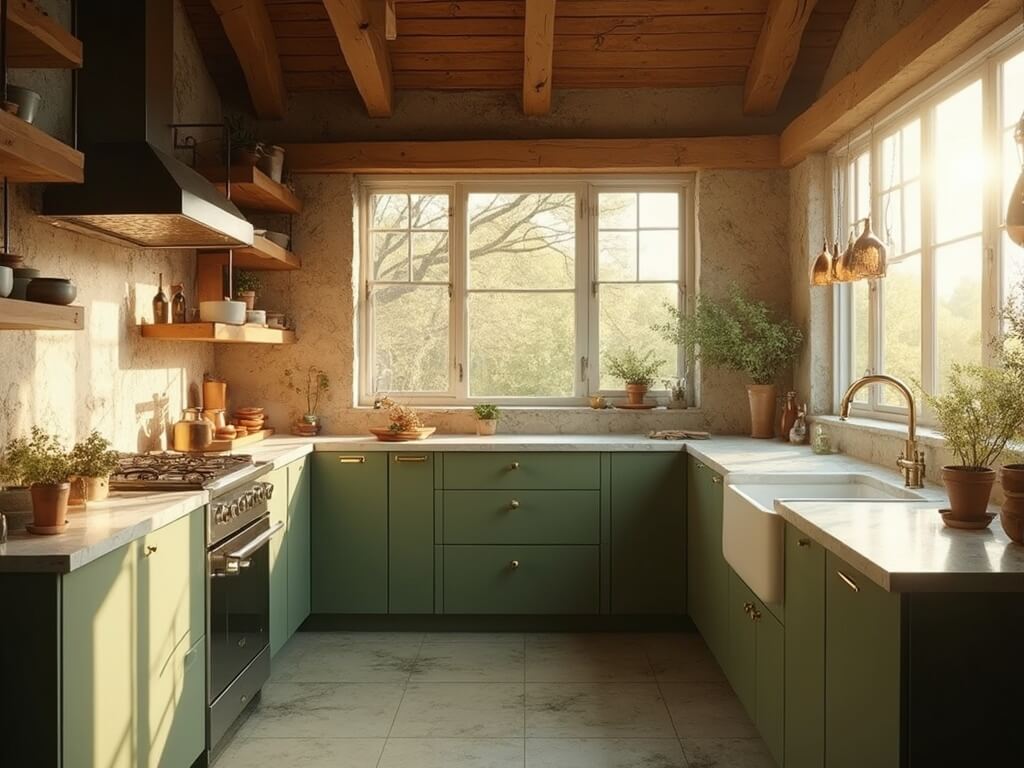
Let’s talk about transforming your kitchen into a sanctuary of authenticity and calm. The Wabi Sabi kitchen isn’t just a design trend—it’s a philosophy that celebrates the beauty of imperfection and the poetry of natural materials.

★ Steal This Look
- Paint Color: Sherwin-Williams Accessible Beige SW 7036
- Furniture: live-edge walnut dining table with natural bark edges, paired with mismatched vintage wooden stools
- Lighting: hand-thrown ceramic pendant lights with visible glaze drips and irregular shapes
- Materials: unlacquered brass that develops patina, rough-hewn oak open shelving, hand-formed zellige tile with uneven surfaces, raw linen curtains, and concrete countertops with intentional imperfections
There’s something deeply comforting about a kitchen that doesn’t demand perfection from you—where a water ring on the counter or a faded tea towel only adds to the story.
Why Wabi Sabi? Understanding the Soul of Your Kitchen
Imagine walking into a kitchen that tells a story. Not a perfectly polished Instagram backdrop, but a living, breathing space that whispers of craftsmanship, simplicity, and genuine beauty.
The Wabi Sabi Philosophy: More Than Just a Design Choice
- Authenticity over perfection
- Celebrating natural aging and wear
- Connecting with materials that have soul
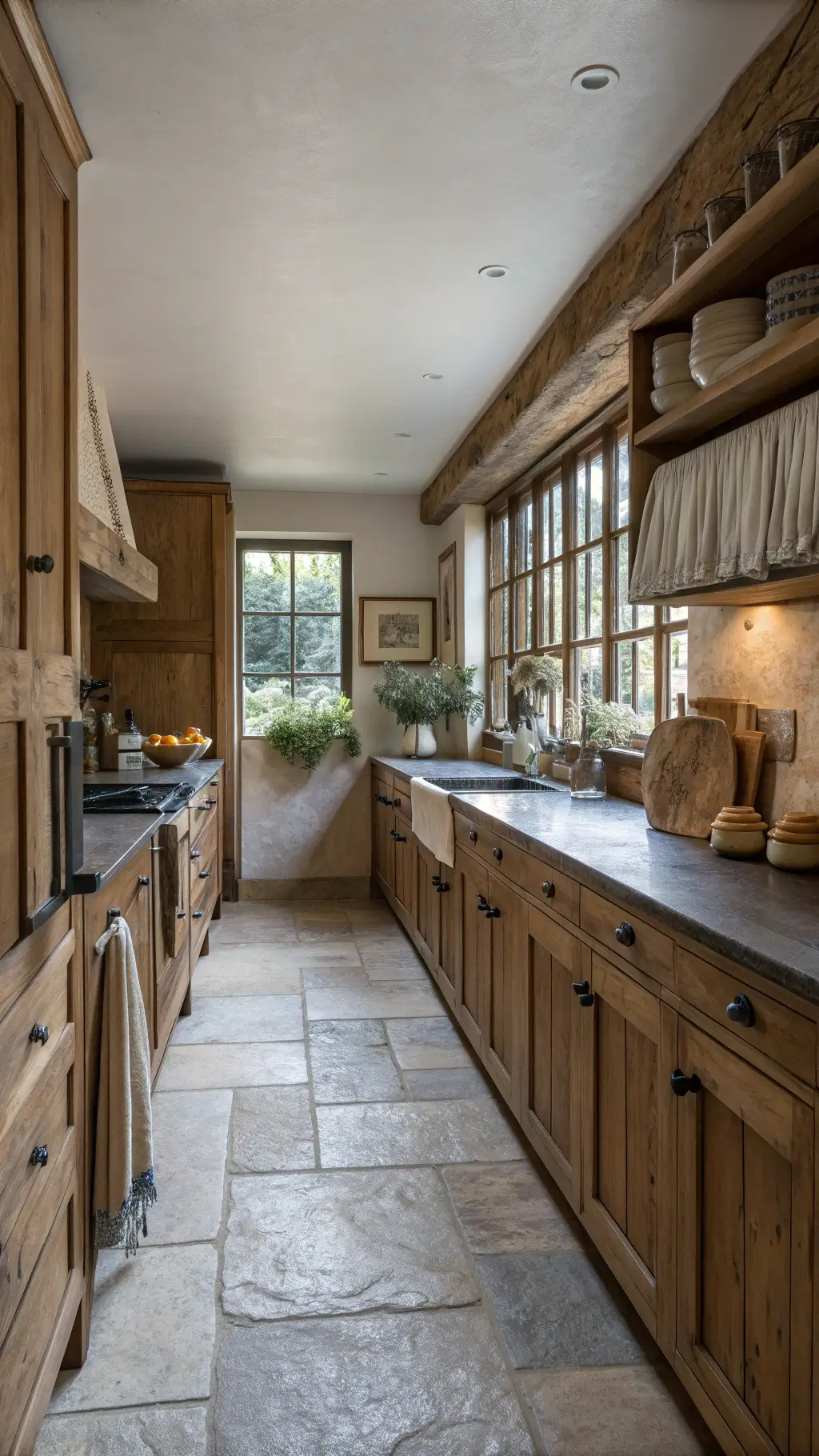
💡 Steal This Look
- Paint Color: Benjamin Moore Pashmina AF-100
- Furniture: a weathered farmhouse table with visible wood grain and hand-planed imperfections, paired with mismatched vintage stools in varying heights
- Lighting: a single oversized linen pendant with visible stitching irregularities and a warm, dimmable Edison bulb
- Materials: raw plaster walls with subtle trowel marks, unsealed walnut countertops with natural oil patina, hand-thrown ceramic tile backsplash with deliberate glaze variations
Your kitchen should feel like it existed before you arrived and will continue evolving long after—this is the quiet confidence of Wabi Sabi, where coffee rings on the counter become part of the narrative rather than flaws to erase.
Essential Elements of a Wabi Sabi Kitchen
Materials That Speak Volumes
Your kitchen becomes a canvas of natural textures and muted tones. Think:
Color Palette: Earthy and Understated
Forget bright whites and glossy surfaces. We’re talking:
- Soft browns
- Warm grays
- Off-whites
- Dusty greens
- Gentle blues

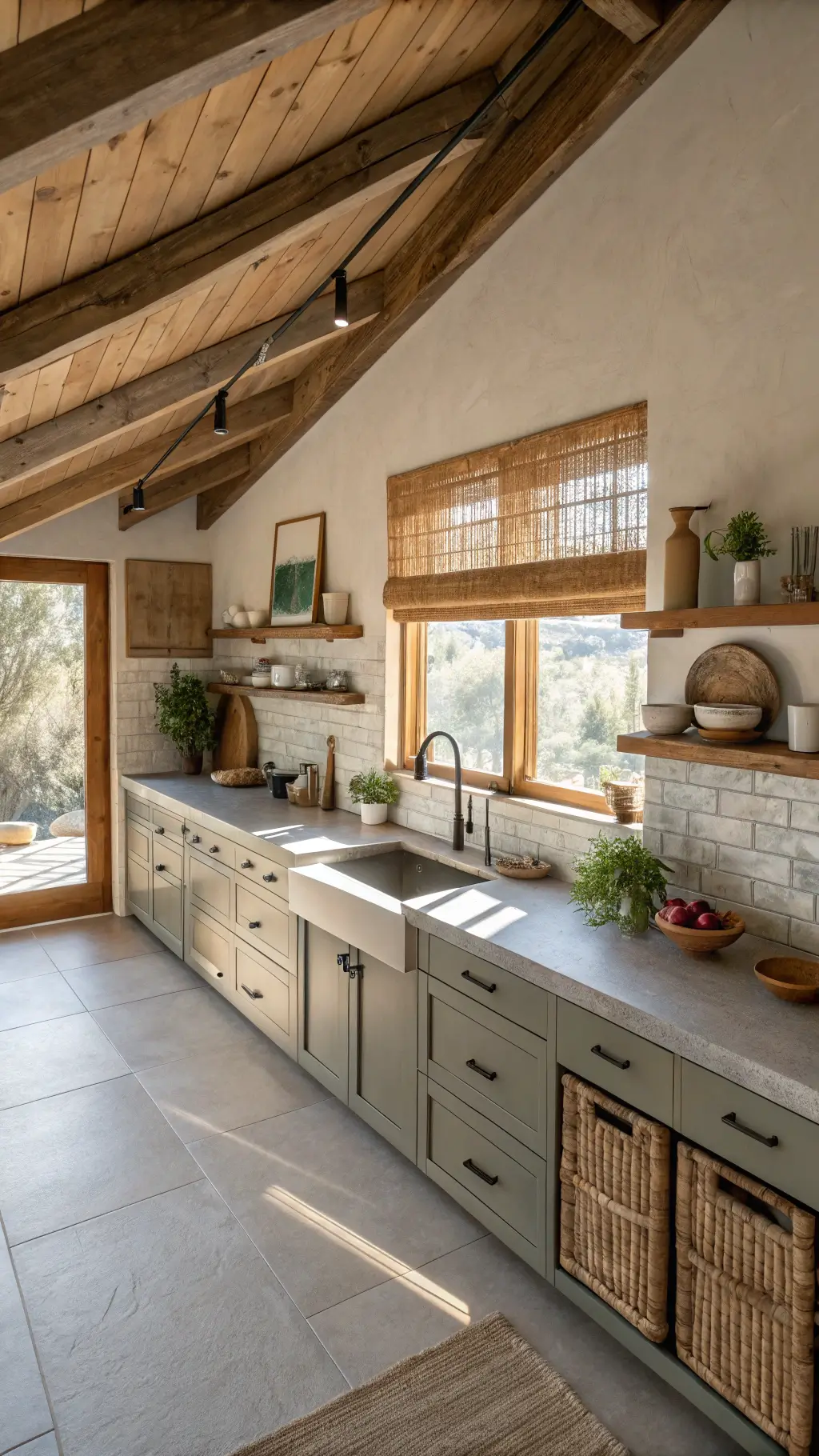
✎ Steal This Look
- Paint Color: Farrow & Ball Mouse’s Back 40
- Furniture: live-edge walnut dining table with visible knots and natural edge irregularities
- Lighting: wabi sabi pendant light in hand-formed washi paper with visible fiber texture and organic asymmetrical shape
- Materials: rough-hewn oak open shelving, unglazed terracotta tile backsplash, hand-hammered copper sink, raw linen curtains with natural slub texture
This is the kitchen where you actually want to cook slowly, where the dent in your grandmother’s mixing bowl matters more than the scratch-free surface of a showroom display.
Styling Your Wabi Sabi Kitchen: A Step-by-Step Guide
1. Clear the Clutter
Wabi Sabi isn’t about minimalism—it’s about intentionality. Keep only items that:
- Have meaning
- Serve a purpose
- Tell a story
2. Embrace Imperfection
Pro Tip: Those chips in your favorite mug? That’s not damage—that’s character.

3. Layer Textures Thoughtfully
Mix and match:
- Smooth stone
- Rough-hewn wood
- Soft linen
- Aged metal
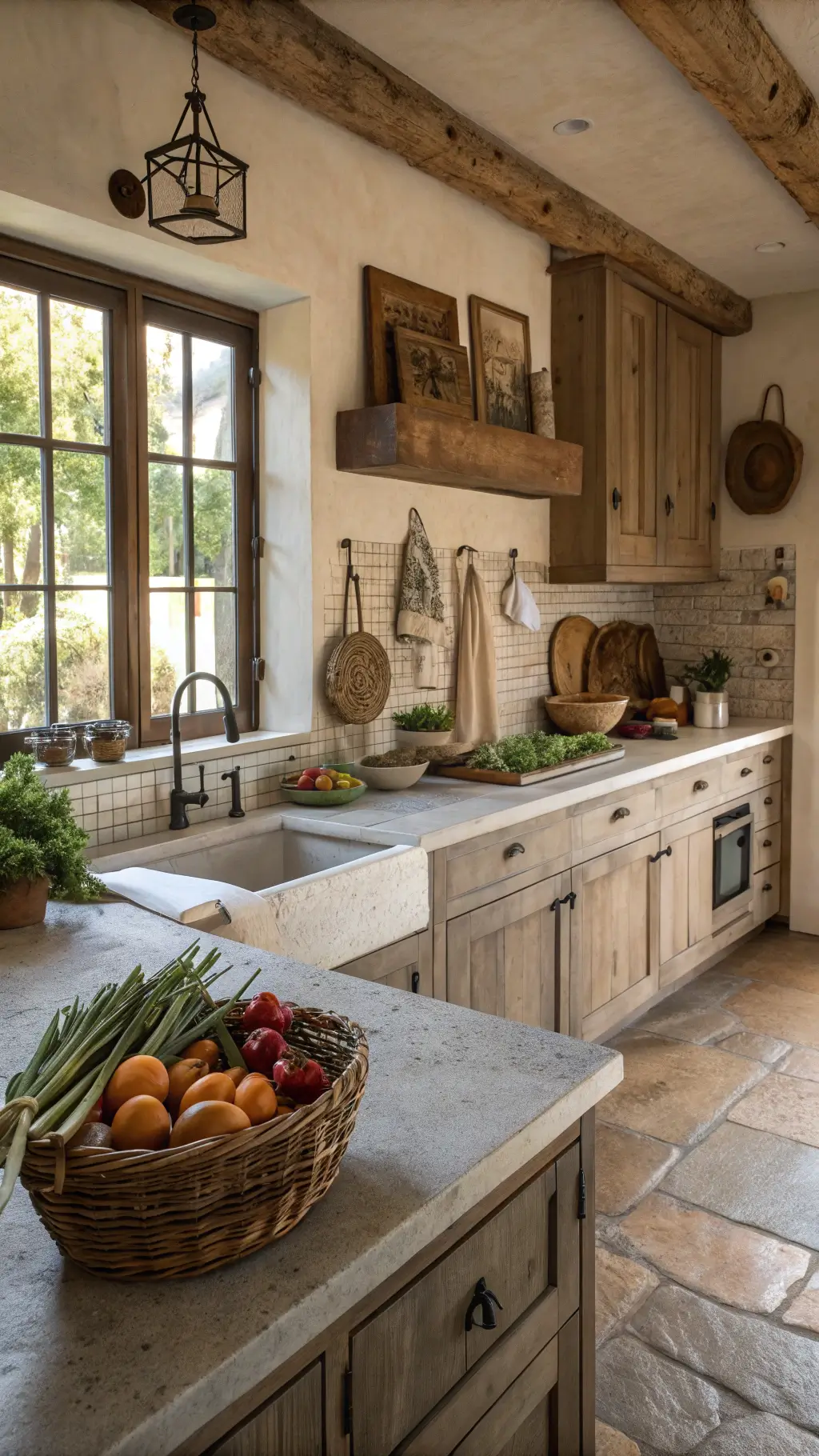
🖼 Steal This Look
- Paint Color: Behr Weathered Moss N350-3
- Furniture: reclaimed wood farmhouse dining table with visible joinery and live edge
- Lighting: wrought iron pendant with hand-hammered texture and exposed Edison bulb
- Materials: unlacquered brass, raw linen, hand-thrown ceramics, reclaimed barn wood, tadelakt plaster
Your wabi sabi kitchen should feel like it grew organically over decades, not like a staged showroom—let the coffee stains on the counter and the knife marks on the cutting board remind you of meals shared and hands that prepared them.
Budget-Friendly Wabi Sabi Transformations
You don’t need a massive budget to create a soulful kitchen:
- DIY open shelving
- Thrifted ceramic pieces
- Handmade wooden utensils
- Vintage copper pots with natural patina
Budget Ranges
- Beginner Level: $100-$500
- Intermediate: $500-$2000
- Advanced Transformation: $2000-$5000
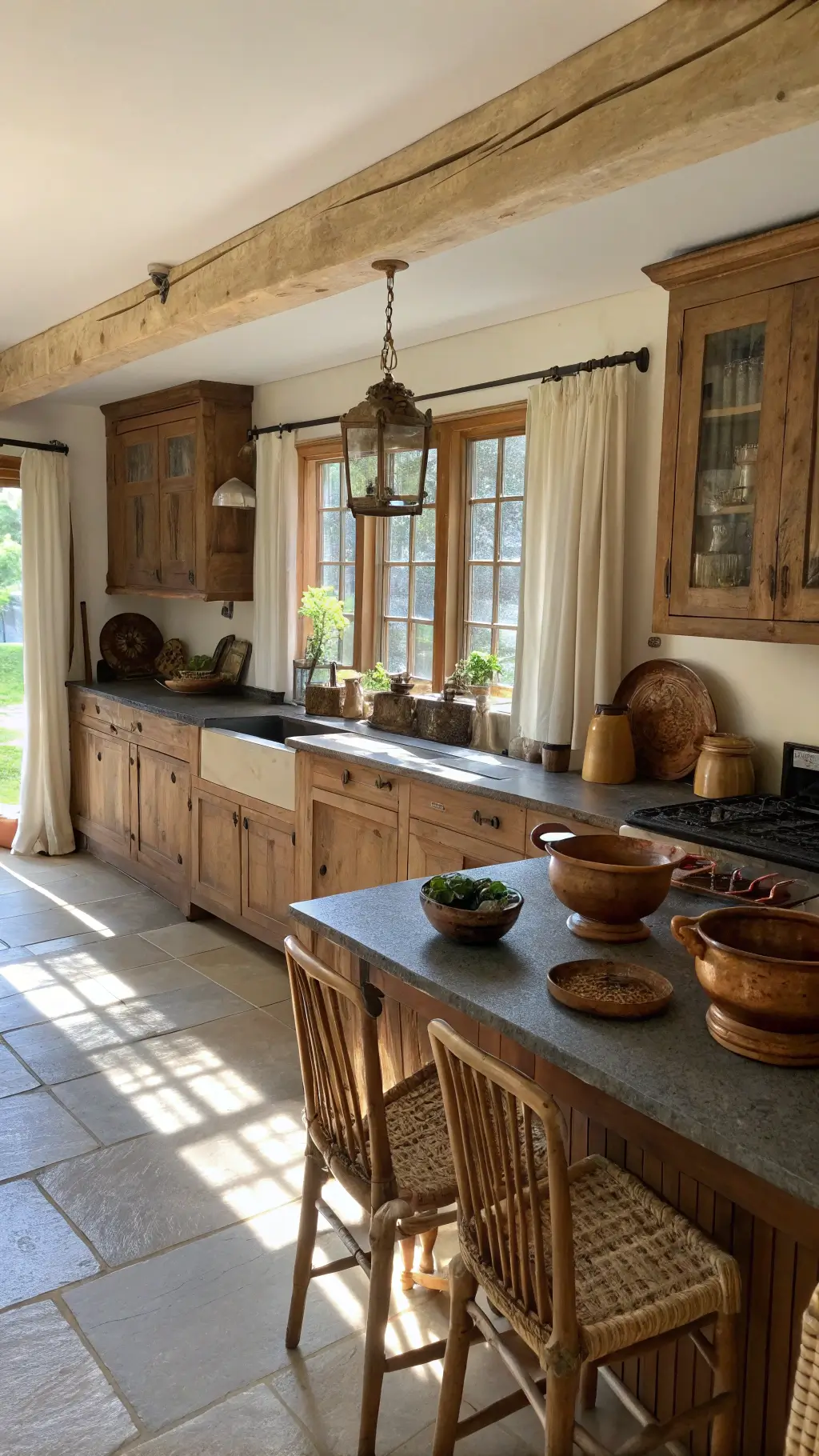
🎨 Steal This Look
- Paint Color: use Valspar brand. Match the ACTUAL wall color in the image. Format: Valspar Soft Wool 4008-1A
- Furniture: reclaimed wood open shelving brackets with live-edge pine planks, vintage farmhouse work table with visible joinery
- Lighting: oversized woven rattan pendant with Edison bulb, no visible metal hardware
- Materials: raw linen, unglazed terracotta, oxidized copper, hand-planed oak, cracked concrete countertops
This is the kitchen where you finally stop apologizing for the water ring on the table—it becomes part of the story, and somehow that makes the coffee taste better.
Seasonal Updates Without Breaking the Bank
- Rotate handmade ceramic vases
- Add seasonal herbs
- Switch out linen table runners

🌟 Steal This Look
- Paint Color: PPG Stonehenge Greige PPG1002-3
- Furniture: reclaimed wood open shelving with visible grain and live edges
- Lighting: pendant light with hand-formed paper shade or raw linen drum
- Materials: unglazed terracotta, rough-hewn oak, hand-loomed linen, oxidized iron
This approach honors the Japanese concept of ‘shun’—eating and living with the season—while keeping your kitchen grounded in authenticity rather than consumption.
🌊 Get The Look
Practical Tips for Maintaining the Wabi Sabi Aesthetic
- Let materials age naturally
- Avoid over-polishing
- Appreciate small imperfections
- Rotate and refresh mindfully

🖼 Steal This Look
- Paint Color: use Dunn-Edwards brand. Match the ACTUAL wall color in the image. Format: Dunn-Edwards ColorName CODE
- Furniture: specific furniture for this room
- Lighting: specific lighting fixture
- Materials: key textures and materials
Your kitchen tells the story of meals shared and hands that prepared them; let that narrative show through worn edges and water rings rather than hiding behind perfection.
🛒 Get The Look
Common Mistakes to Avoid
- Don’t: Use glossy, perfect surfaces
- Do: Celebrate natural wear and tear
- Don’t: Overcrowd your space
- Do: Create breathing room
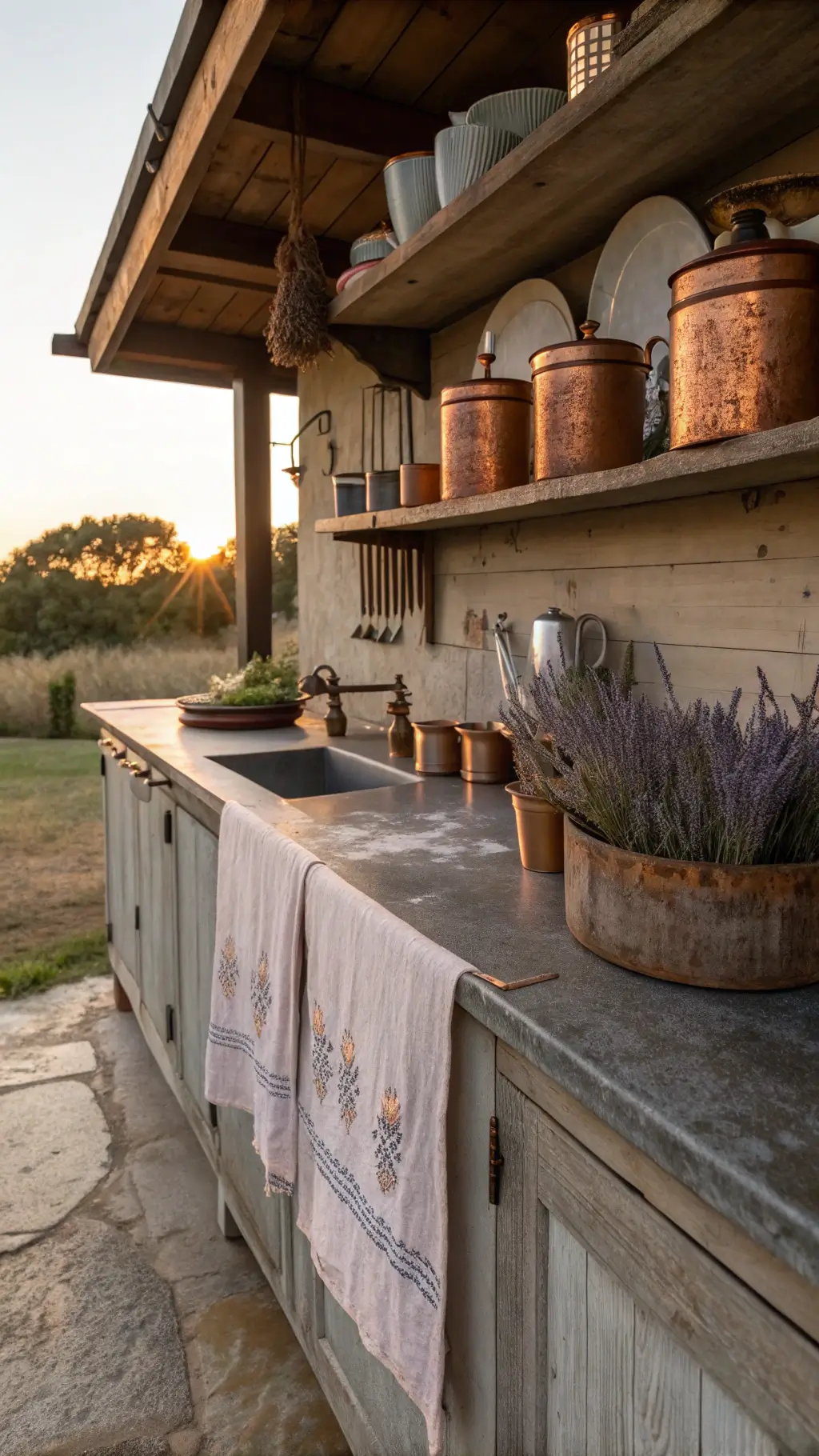
🌟 Steal This Look
- Paint Color: Clare Paint Seize the Gray CW-01
- Furniture: reclaimed wood dining table with visible knots and live edge
- Lighting: hand-forged iron pendant with organic, irregular silhouette
- Materials: unbleached linen, raw clay, oxidized metal, hand-thrown ceramics with glaze drips
This kitchen should feel like it evolved over decades, not like you decorated it last weekend—let the patina tell your story.
Your Wabi Sabi Kitchen Toolkit
Essential items to get started:
Final Thoughts
Open one cabinet until the wood is visible through the finish. Wabi sabi kitchens succeed when the imperfection is doing the showing. The best ones feel like spaces where the flaw is doing the biography.